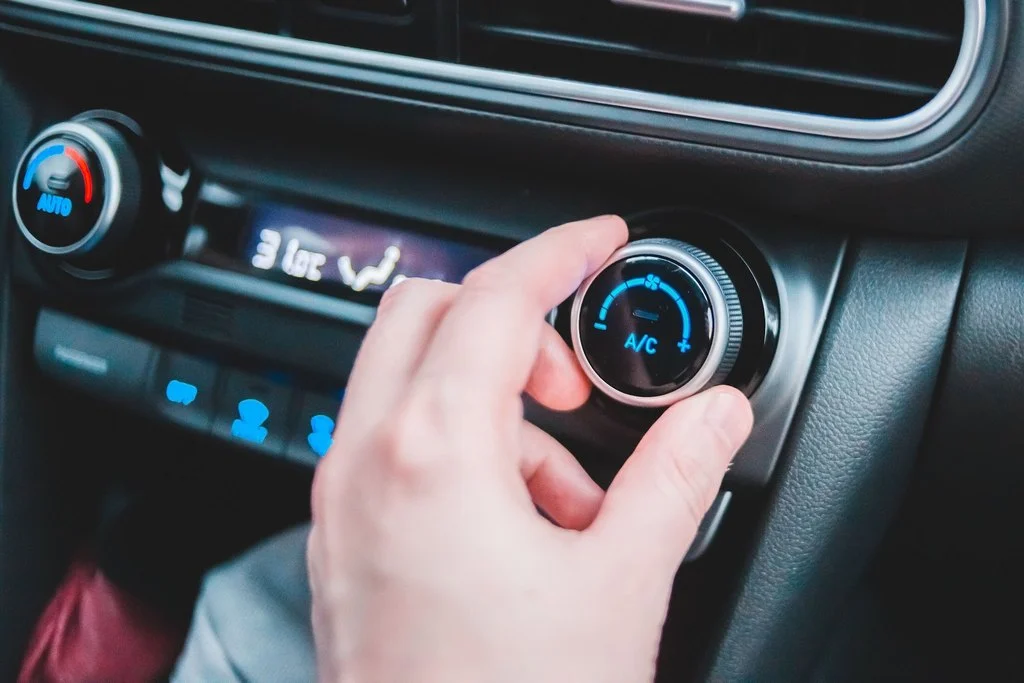
Australia’s climate can be unforgiving, particularly during the warmer months. Whether you are commuting through city traffic, travelling with the family or preparing for a long summer road trip, a properly functioning vehicle air-conditioning system can make every journey more comfortable.
Many drivers only think about their car’s air conditioning when it stops producing cool air. However, reduced cooling is not always a sudden problem. Performance can gradually decline as components wear, airflow becomes restricted or a fault develops within the system.
A professional air conditioning service can help identify performance problems, damaged components and possible refrigerant leaks. Addressing these concerns early may help restore effective cooling and reduce the likelihood of a more disruptive failure when the weather becomes hot.
Understanding how your vehicle’s air conditioning works, recognising common warning signs and arranging appropriate maintenance can help you remain comfortable throughout the year.
Why a Car Air Conditioning Service Is Important
Your vehicle’s air conditioning does more than lower the cabin temperature. It also helps reduce humidity inside the vehicle and supports windscreen demisting, making it useful during both hot and wet conditions.
The system contains several components that work together to circulate refrigerant and remove heat from the cabin. These generally include the compressor, condenser, evaporator and expansion valve. If one part becomes damaged or fails to operate correctly, the performance of the entire system may be affected.
Over time, components can wear, hoses and seals can deteriorate, and refrigerant may escape through a leak. The cabin air filter can also collect dust and other particles, restricting airflow through the vents.
A professional air-conditioning inspection may help:
- Maintain consistent cabin cooling
- Identify refrigerant leaks or damaged components
- Improve airflow through the vehicle’s vents
- Reduce unnecessary strain on air-conditioning components
- Address unpleasant smells from the ventilation system
- Support effective windscreen demisting
- Reduce the likelihood of an unexpected system failure
- Make everyday driving more comfortable
Regular maintenance does not guarantee that a component will never fail, but it can provide an opportunity to identify developing problems before the system stops working altogether.
How Does Vehicle Air Conditioning Work?
A car air-conditioning system circulates refrigerant through a closed system. The refrigerant absorbs heat from inside the passenger compartment before releasing that heat outside the vehicle.
The compressor circulates and pressurises the refrigerant. The condenser then helps release heat as the refrigerant passes through the front section of the vehicle. The refrigerant continues through the system to the evaporator, where heat is removed from the cabin air.
A blower fan pushes the conditioned air through the vents and into the passenger compartment. The amount and direction of airflow are controlled through the dashboard settings and the vehicle’s ventilation system.
Because these parts depend on each other, a cooling problem can have several possible causes. Warm air from the vents does not automatically mean the vehicle simply needs more refrigerant. The system may have a leak, an electrical fault, a compressor issue or a problem with another component.
A professional diagnosis is therefore more useful than replacing or recharging refrigerant without investigating why the system’s performance has declined.
Signs Your Vehicle Needs an Air Conditioning Service
Air-conditioning faults often produce noticeable changes before the system fails completely. Paying attention to cooling performance, airflow, smells and noises can help you identify when an inspection may be needed.
Weak Airflow From the Vents
If air is no longer flowing strongly through the dashboard vents, the problem could relate to a blocked cabin filter, a blower fan fault or a restriction somewhere in the ventilation system.
Compare the airflow across different fan-speed settings. If the fan sounds as though it is operating but only a small amount of air reaches the cabin, an inspection may be necessary.
Weak airflow can make the system appear to be cooling poorly even when the air itself is cold. The airflow and cooling temperature should therefore be assessed separately during diagnosis.
Warm or Insufficiently Cool Air
One of the most obvious warning signs is air that remains warm or only slightly cool after the system has been operating. Cooling may also begin normally and then fade during the journey.
Possible causes include insufficient refrigerant resulting from a leak, compressor problems, electrical faults or damage to another system component. External temperature, vehicle operating conditions and the selected climate-control settings can also affect the air coming from the vents.
If cooling performance has noticeably changed, the system should be inspected rather than repeatedly re-gassed without checking for an underlying fault.
Unpleasant Odours
Musty or stale smells from the vents can make the cabin uncomfortable. Odours may be associated with moisture, contamination within the ventilation system or a dirty cabin air filter.
A different type of smell may point to another issue. For example, a burning smell should not be assumed to be a routine air-conditioning concern. Turn the system off and arrange an inspection if the smell persists, becomes stronger or is accompanied by smoke or unusual noises.
Strange Noises While the System Is Running
Rattling, grinding, squealing or clicking noises that appear when the air conditioning is switched on may indicate that a component requires attention.
The source could relate to the compressor, drive system, blower fan or debris within part of the ventilation system. Because several components operate at the same time, professional diagnosis is usually required to identify the cause accurately.
Continuing to use a system that is producing severe or worsening noises may result in further damage. Switch it off and seek advice if you are concerned.
Windows Are Difficult to Demist
The air-conditioning system helps remove moisture from cabin air, which supports windscreen demisting. If the windows regularly remain fogged despite selecting the correct demisting settings, reduced air-conditioning performance may be contributing to the problem.
Demisting problems can also involve restricted airflow, climate-control settings, a dirty windscreen or excess moisture inside the cabin. If the issue continues, have the ventilation and air-conditioning systems checked.
Water or Moisture Inside the Cabin
A small amount of water underneath a parked vehicle can be normal when the air conditioning has been running, as condensation is usually directed outside through a drain.
Water appearing inside the cabin is different. It may indicate a blocked or disconnected drain or another problem requiring attention. Damp carpets can also lead to persistent odours and damage to interior materials, so the cause should be investigated.
The System Cycles Irregularly
You may notice that the air conditioning switches on and off frequently, cools inconsistently or performs differently when the vehicle is idling. These symptoms may involve refrigerant pressure, electrical controls, cooling fans or other components.
Record when the problem occurs and whether it changes with engine speed, traffic conditions or outside temperature. This information may help the technician reproduce and diagnose the issue.
What Happens During a Professional Air Conditioning Service?
The specific work completed during an air-conditioning service depends on the vehicle, the service provider and the problem being investigated. A basic inspection will not necessarily include every repair or replacement that may be required.
A professional assessment may cover the following areas.
Cooling-Performance Test
The technician may operate the system and assess the temperature and volume of air coming from the vents. Performance may be checked across different controls and fan settings to determine whether the system is cooling and distributing air correctly.
The inspection can also help determine whether the problem affects cooling, airflow or both.
Refrigerant and Pressure Assessment
Air-conditioning systems require the correct type and amount of refrigerant to operate as designed. Technicians may assess system pressures and refrigerant flow using specialist equipment.
Low refrigerant can be associated with a leak. Recharging the system without investigating the reason for the loss may restore cooling only temporarily. The appropriate automotive refrigerant and service equipment must also be used for the particular vehicle.
Leak Detection
Leak detection may be necessary when refrigerant loss is suspected. Hoses, seals, service ports, the condenser and other accessible components may be inspected for signs of leakage or damage.
Some leaks can be difficult to locate, so specialised diagnostic methods may be required. The suitable approach will depend on the system and the nature of the fault.
Compressor Inspection
The compressor circulates refrigerant through the system. A technician may assess whether it engages and operates correctly and check for unusual noise or visible damage.
Not every cooling problem is caused by compressor failure. Electrical controls, sensors, pressure issues and other components can produce similar symptoms, which is why accurate diagnosis is important before major repairs are approved.
Condenser, Hoses and Component Checks
The condenser is normally positioned near the front of the vehicle, where it can be exposed to dirt, debris and impact damage. Technicians may inspect it, along with accessible hoses and connections, for visible damage or deterioration.
Other components may also be assessed depending on the vehicle and the reported symptoms.
Airflow and Vent Assessment
The blower fan, dashboard vents and airflow controls may be checked to confirm that air is moving through the cabin as expected.
Restricted airflow can reduce comfort and make it harder to demist the windscreen. The technician may assess whether the concern relates to the fan, the cabin filter or another part of the ventilation system.
Cabin Air Filter Check
The cabin air filter helps capture dust and airborne particles before air enters the passenger compartment. As the filter becomes dirty, airflow may be restricted.
Replacement requirements depend on the vehicle, operating environment and manufacturer’s maintenance schedule. Drivers who regularly travel in dusty conditions may find that the filter requires attention sooner than expected.
Re-gassing Where Required
If testing shows that the system requires refrigerant and any necessary leak concerns have been addressed, re-gassing may be recommended. This process involves servicing the system with the appropriate refrigerant and equipment.
Re-gassing should not be treated as a universal solution for every cooling fault. If the system contains a defective compressor, damaged hose or electrical problem, adding refrigerant alone will not correct the underlying issue.
Electrical and Control Checks
Modern climate-control systems can rely on switches, sensors, relays, control modules and electric cooling fans. A fault in one of these areas may affect air-conditioning performance even if major mechanical components remain in usable condition.
If the problem appears intermittent or a system warning is present, diagnostic testing may be necessary.
Air-Conditioning Service Versus Re-gassing
The terms “service” and “re-gas” are sometimes used as though they mean the same thing, but they may describe different work.
An air-conditioning service generally involves inspecting or testing the system to assess its condition and performance. A re-gas refers more specifically to refrigerant servicing.
Before booking, ask the service provider what is included. Useful questions include:
- Does the service include a cooling-performance test?
- Will the system be checked for leaks?
- Are pressure and airflow checks included?
- Is re-gassing included or charged separately?
- Will the cabin air filter be inspected?
- Will I receive a quote before additional repairs begin?
Clarifying the scope can help you compare services accurately and understand what further work may be recommended.
How Often Should Car Air Conditioning Be Serviced?
There is no single interval that applies to every vehicle. Maintenance requirements can differ according to the manufacturer, system design, vehicle age, operating conditions and the way the vehicle is used.
Consult the owner’s manual and the manufacturer’s maintenance schedule for guidance relevant to your vehicle. An inspection should be arranged sooner if you notice reduced cooling, unusual smells, weak airflow, new noises or difficulty demisting the windscreen.
It can also be sensible to check the system before summer or ahead of a long road trip, particularly if it has not been used regularly or its cooling performance has changed.
Can Air Conditioning Affect Fuel Use?
Operating a vehicle’s air conditioning requires energy. In many vehicles, the compressor draws power from the engine, while electric components such as fans also use energy.
The effect can vary according to the type of vehicle, outside temperature, cabin temperature and climate-control settings. A system fault does not automatically mean that fuel consumption will noticeably increase, so unexplained changes in fuel use should be investigated rather than attributed to the air conditioning without evidence.
Using the system normally and maintaining the vehicle according to the manufacturer’s recommendations is a more practical approach than avoiding air conditioning when it is needed for comfort or demisting.
How to Support Air-Conditioning Performance
Professional servicing is necessary for diagnosing faults and handling refrigerant, but drivers can take simple steps to support everyday performance:
- Follow the servicing guidance in the vehicle owner’s manual
- Pay attention to changes in cooling, airflow, smell and noise
- Keep exterior air intakes clear of leaves and debris where accessible
- Use recirculation appropriately when cooling a very hot cabin
- Park in shade or use a windscreen shade where practical
- Arrange an inspection if water appears inside the cabin
- Do not ignore a burning smell, smoke or severe mechanical noise
Drivers should not attempt to open refrigerant lines or recharge the system without the appropriate qualifications and equipment.
Book a Professional Air Conditioning Service
A reliable air-conditioning system can make driving more comfortable during Australia’s warmer months while also helping manage cabin humidity and windscreen fogging.
If cooling has weakened, airflow has declined or the system is producing unusual smells or noises, a professional inspection can help identify the cause. Depending on the findings, the solution might involve cleaning or replacing a filter, repairing a leak, correcting an electrical fault, replacing a damaged component or re-gassing the system where required.
Do not wait until the first extremely hot day to discover that your air conditioning is no longer performing as expected. Having the system checked before summer or an extended road trip can provide greater confidence and reduce the inconvenience of an unexpected failure.
With appropriate maintenance and timely repairs, your vehicle’s air conditioning can continue to provide comfortable, reliable performance throughout the year.
This article provides general information only. Vehicle air-conditioning systems and maintenance requirements vary according to make, model and refrigerant type. Consult your owner’s manual and have faults assessed by an appropriately qualified automotive technician. Air-conditioning refrigerant should only be handled using suitable equipment and in accordance with applicable requirements.