Strong traction, precise navigation, and clever movement control allow no-wire robot mowers to manage hills. Sloped lawns provide grip issues, uneven surfaces, and shifting elevation, but current systems can adapt. GPS location, terrain sensors, and improved wheel control stabilise angled mowing. Homes can better manage slopes and difficult gardens with a slope-capable mower. Understanding how these systems function helps users prepare their yards and confidently mow varied terrains.
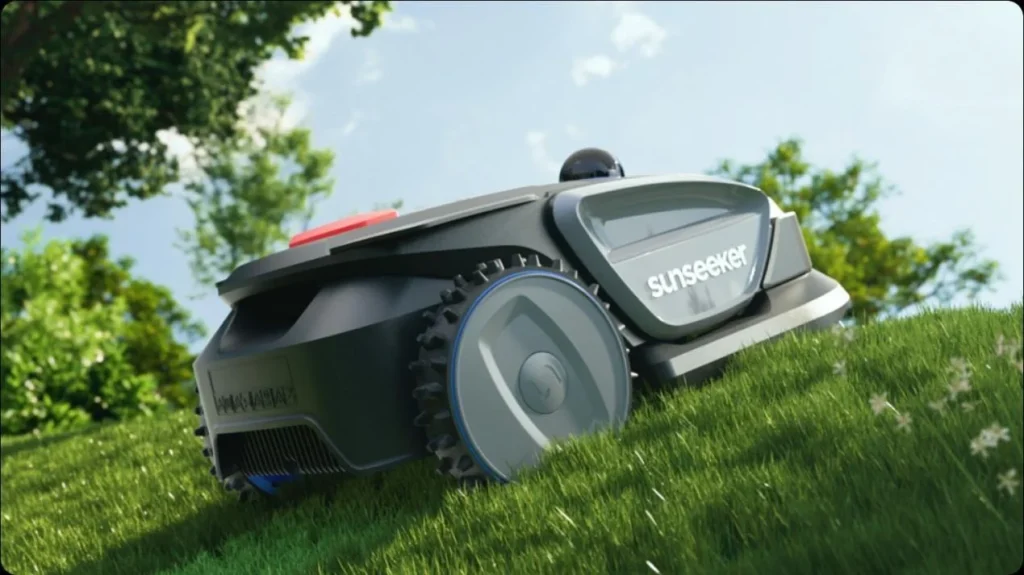
How No-Wire Robot Mowers Stay Stable on Slopes
GPS positioning and real-time movement correction
No-wire robot mowers use GPS to navigate hilly regions. Real-time correction lets the mower modify its course as terrain or wheel movement changes. This continual positioning support helps the machine follow predefined paths and avoid wandering. On inclined surfaces, good position data increases coverage consistency and organises mowing patterns. GPS guidance and movement correction improve lawn operation where flat-ground navigation may not be enough. Regular slope mowing becomes more efficient.
Wheel traction systems designed for uneven ground
Wheel traction systems play an important role when robot lawn mowers without perimeter wires work on uneven or inclined ground. Specialised wheel designs increase lawn contact, helping the mower go ahead and stay stable. Strong traction prevents slippage and improves control on shifting terrain. These mowers can traverse sloping areas more efficiently and reduce ground condition disruptions by retaining grip. Tyre and wheel cleanliness also prolong performance.
Smart torque distribution during uphill mowing
A robot mower can regulate its power delivery when ascending a hill by employing smart torque distribution. The system is capable of adapting to variations in slope angle and resistance, rather than employing a uniform force in all circumstances. This assists in the preservation of consistent movement while climbing, particularly on sections that necessitate additional power. Smoother transitions between flat areas and inclines are also facilitated by balanced torque control. This technology enhances the reliability of lawn mowers for homeowners with sloped yards by enabling them to adapt to changing terrain without the need for constant manual adjustments.
How Navigation Systems Adapt to Sloped Terrain
RTK GPS accuracy on angled surfaces and elevation changes
RTK GPS uses corrective data to steer the mower over the grass more accurately. This precision helps preserve planned routes and avoid coverage gaps on inclined surfaces and elevation changes. This precise positioning technology lets the mower know where it’s worked and where to proceed. For complicated yards with different slopes, this helps produce more regular mowing patterns without boundary wires. Smoother operation in difficult outdoor layouts is also supported.
Sensor feedback for continuous terrain adjustment
Sensor feedback lets a no-wire robot mower monitor and adapt to changing terrain. Sensors detect movement, obstructions, and environmental conditions that impact navigation. The mower can alter speed, direction, and operating patterns by continually digesting this information. This adaptive method stabilises slopes and makes outdoor mobility safer. Uneven lawns require continuous feedback for reliable automatic mowing. It lets the mower adapt fast to changing surface conditions.
Route planning logic for efficient slope coverage
Robot mowers use route planning logic to reduce wasteful trips on hilly terrain. Intelligent planning analyses grass layout, finished areas, and paths to increase coverage. Organised movement lowers mower passes on slopes and uneven terrain and saves energy. A well-planned route ensures challenging sections are correctly addressed, supporting consistent cutting outcomes. This makes automatic slope mowing better for bigger, more complicated yards.

Optimizing Slope Mowing with No-Wire Systems
Best app settings for slope-friendly mowing patterns
App settings can assist customers in adjusting no-wire robot mowers for slope-friendly mowing patterns. Adjusting schedules, mowing regions, and operational preferences enables homeowners to tailor the mower’s work routine to their yard circumstances. Sloped areas may benefit from scheduled mowing periods when the lawn surface has higher traction. Clear app controls make it easy to track progress and adjust settings as external circumstances change. Proper design allows the mower to function more effectively across diverse elevations and terrain types, resulting in increased consistency.
Yard preparation techniques for smoother navigation
Preparing the yard for slope mowing enhances navigation and removes unneeded barriers. Removing loose branches, toys, and garbage allows the mower to go more easily across uneven terrain. Keeping grass at a controllable height and ensuring clean transitions between lawn areas also aids in performance. Checking steep regions for erosion and loose soil might help to improve operating conditions. A well-prepared yard provides a more predictable surface for no-wire robot mowers, allowing navigation systems and traction characteristics to operate more efficiently over longer periods of time.
Maintenance habits that support consistent slope performance
Regular maintenance ensures constant slope performance by maintaining critical components in excellent condition. Cleaning wheels, verifying sensors, and examining moving parts all contribute to ensuring long-term reliability. Users should also adhere to prescribed maintenance regimens to ensure that the mower responds appropriately to terrain changes. On sloping lawns, well-maintained equipment can help to maintain traction, navigation accuracy, and overall efficiency. Simple maintenance practices prevent performance difficulties and enable the mower to handle sloping regions with consistent results throughout the mowing season. These actions also promote long-term operational dependability.
Conclusion
No-wire robot mowers can efficiently tackle slopes if they employ precise navigation, dependable traction, and clever terrain management techniques. GPS location, sensor input, and clever power control systems all contribute to these machines’ steadiness on uneven ground. For homeowners with hills or variable elevations, choosing a mower engineered for slope performance is a vital step towards more effective lawn maintenance. Proper yard preparation, appropriate settings, and frequent upkeep all boost outcomes. With the proper configuration, a no-wire robot mower may offer continuous coverage while minimising the labour necessary to maintain difficult outdoor environments. This simplifies slope management for modern homes.

