Strived or Strove: Which Past Tense Is Correct?
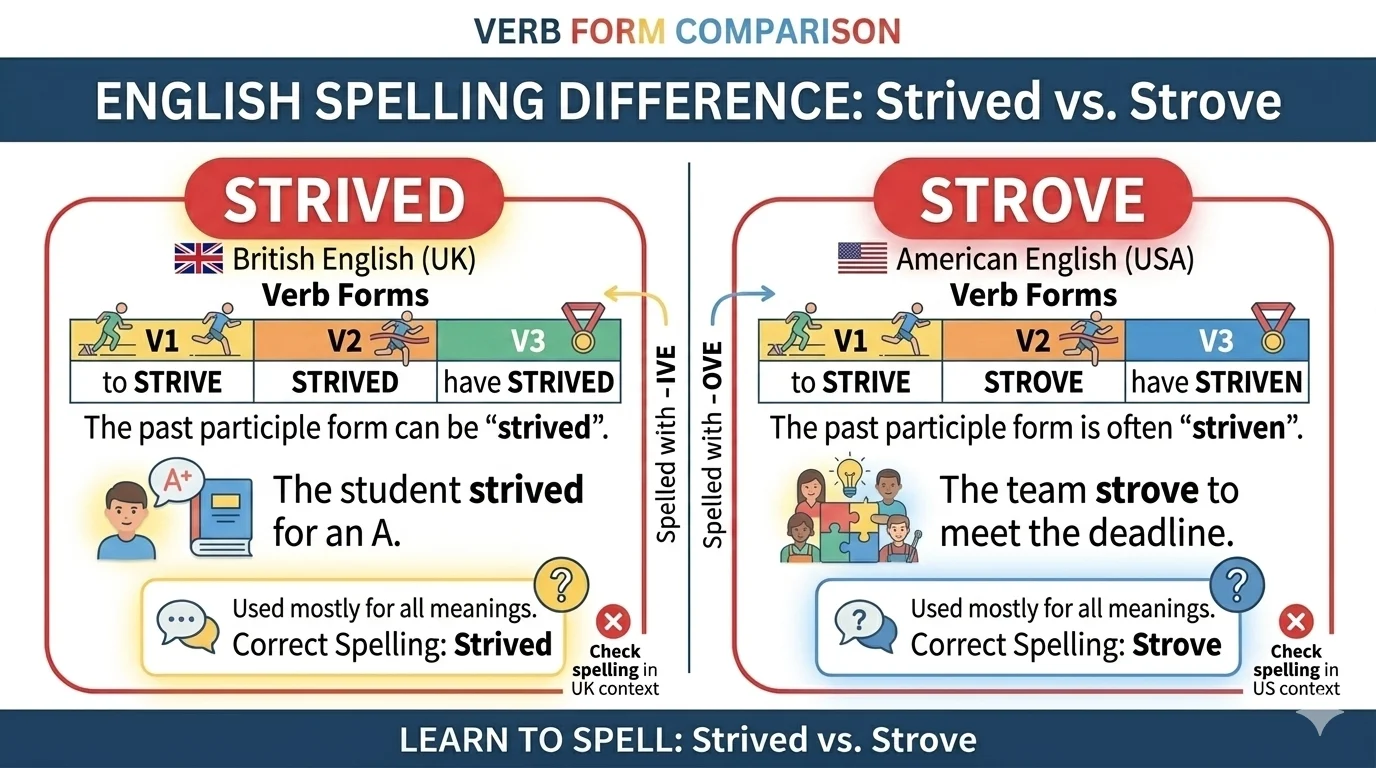
Many English learners often ask a simple but confusing question: strived or strove — which one is correct? When people ...
Read more
Fare or Fair: Stop Making This Error Today
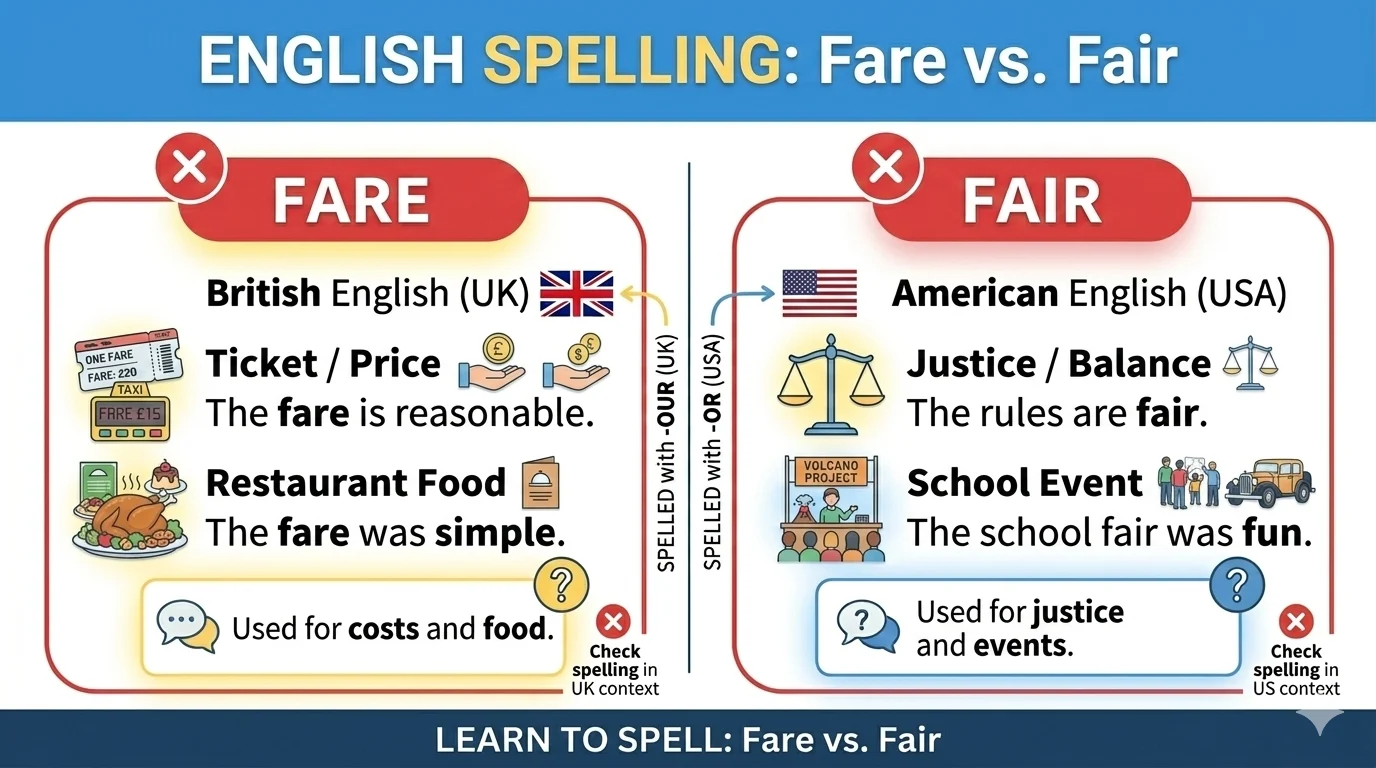
Many English learners often feel confused about fare or fair. These two words sound exactly the same when spoken, but ...
Read more
Labour or Labor: Why Both Spellings Exist
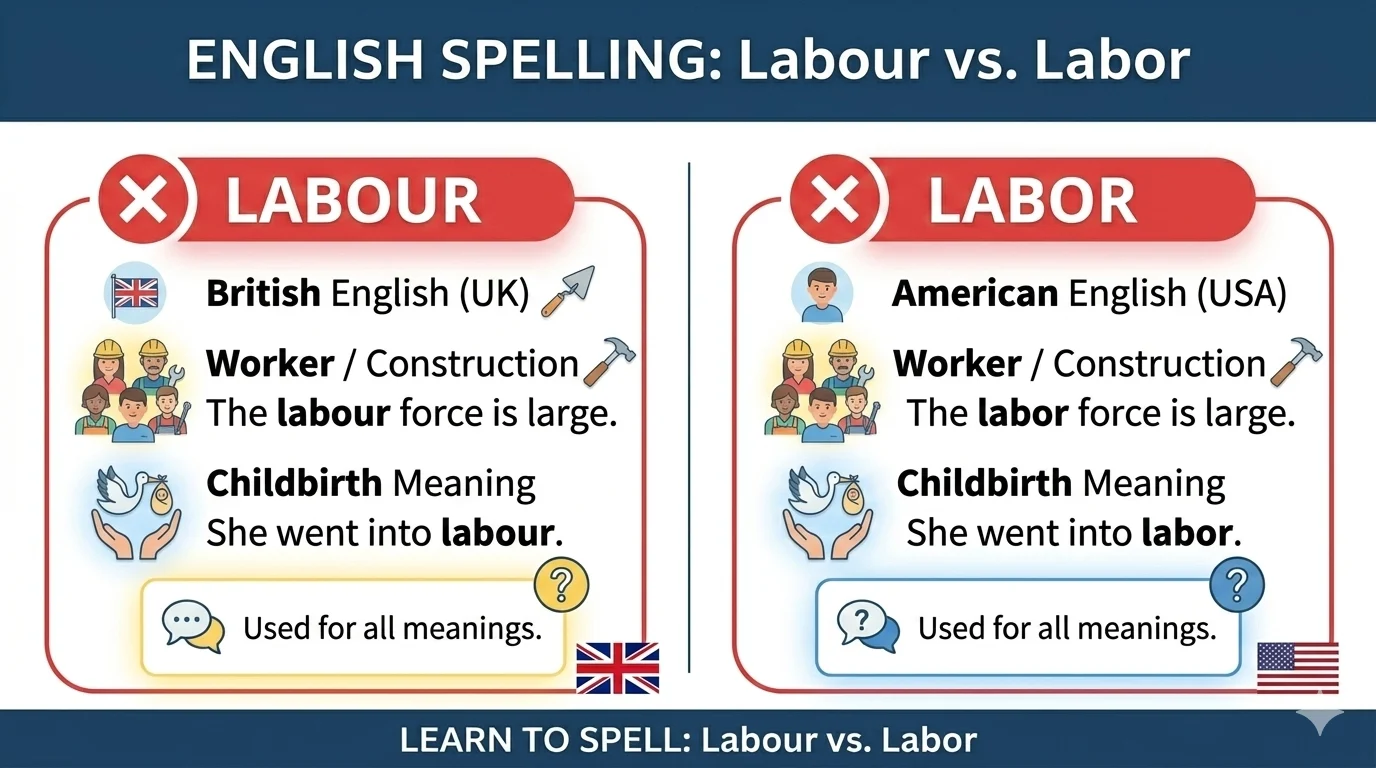
Many English learners feel confused about the spelling labour or labor. People often ask questions like “is it labour or ...
Read more
Your or You’re: The Simple Trick That Works
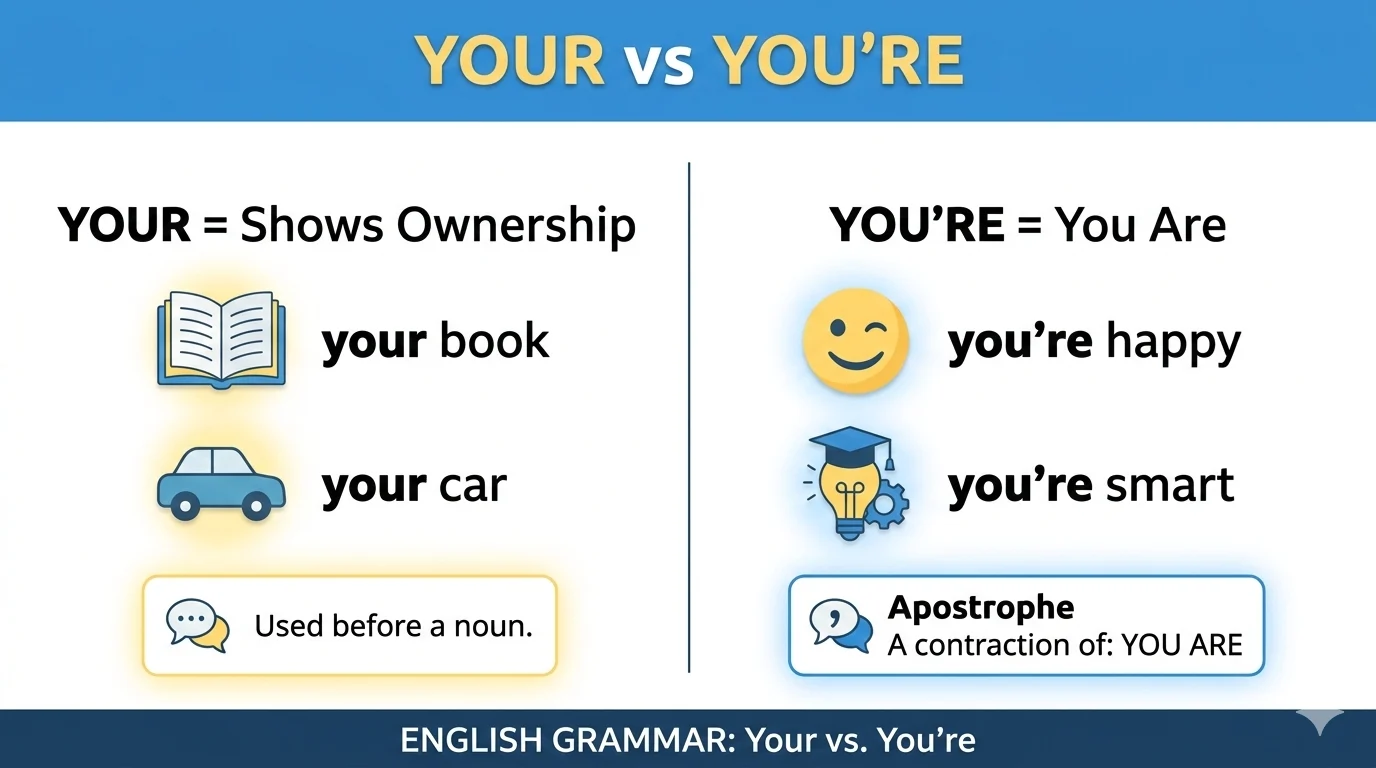
Have you ever stopped while writing and wondered, “Is it your or you’re?” You are not alone. Many students, adults, ...
Read more
Mama or Mamma: Why One Form Is Preferred
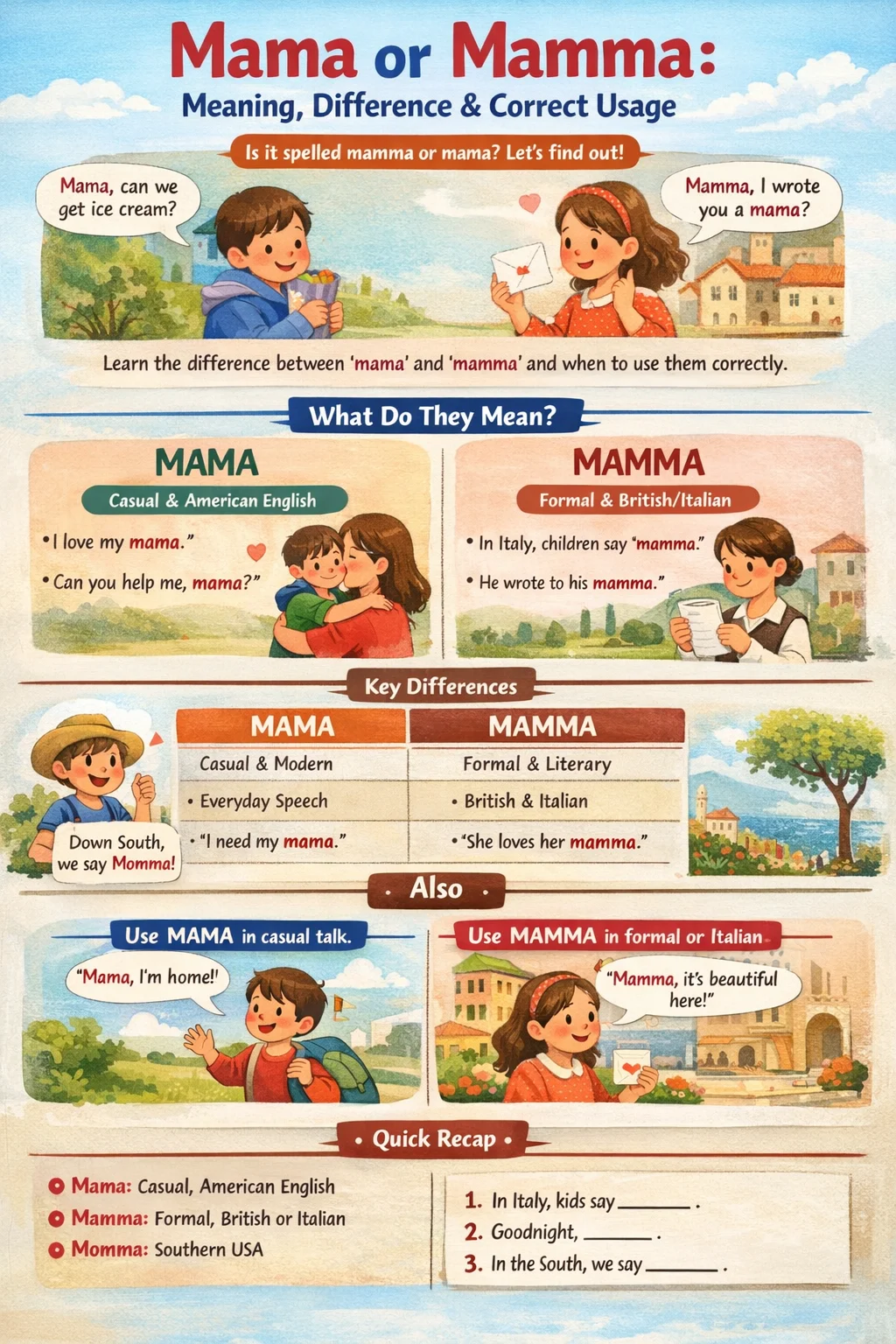
Many people, even native English speakers, often get confused between mama and mamma. Both words refer to a mother, but ...
Read more
Do or Does: The Confusion Solved Fast
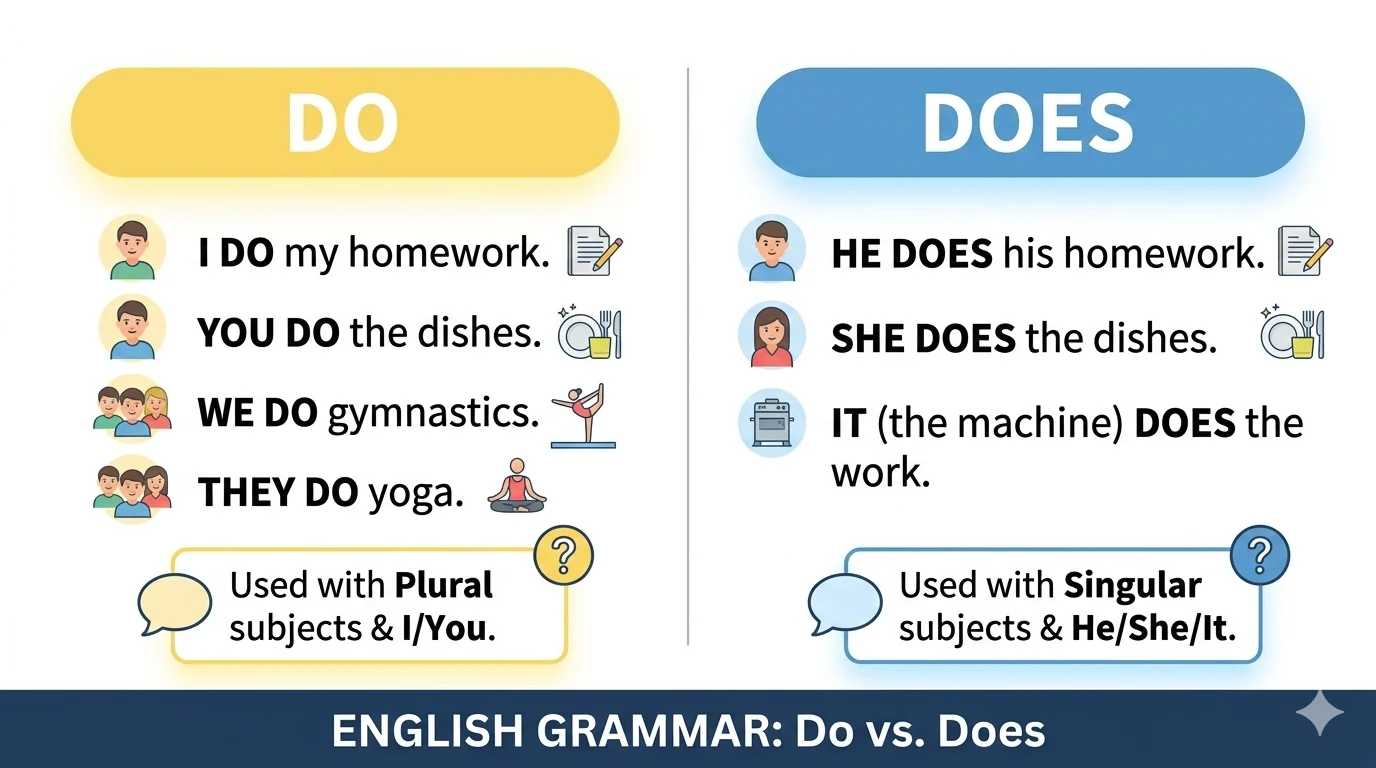
Many English learners ask the same question: do or does — which one is correct? You may have wondered: These ...
Read more
Traveller or Traveler: The English Debate Solved
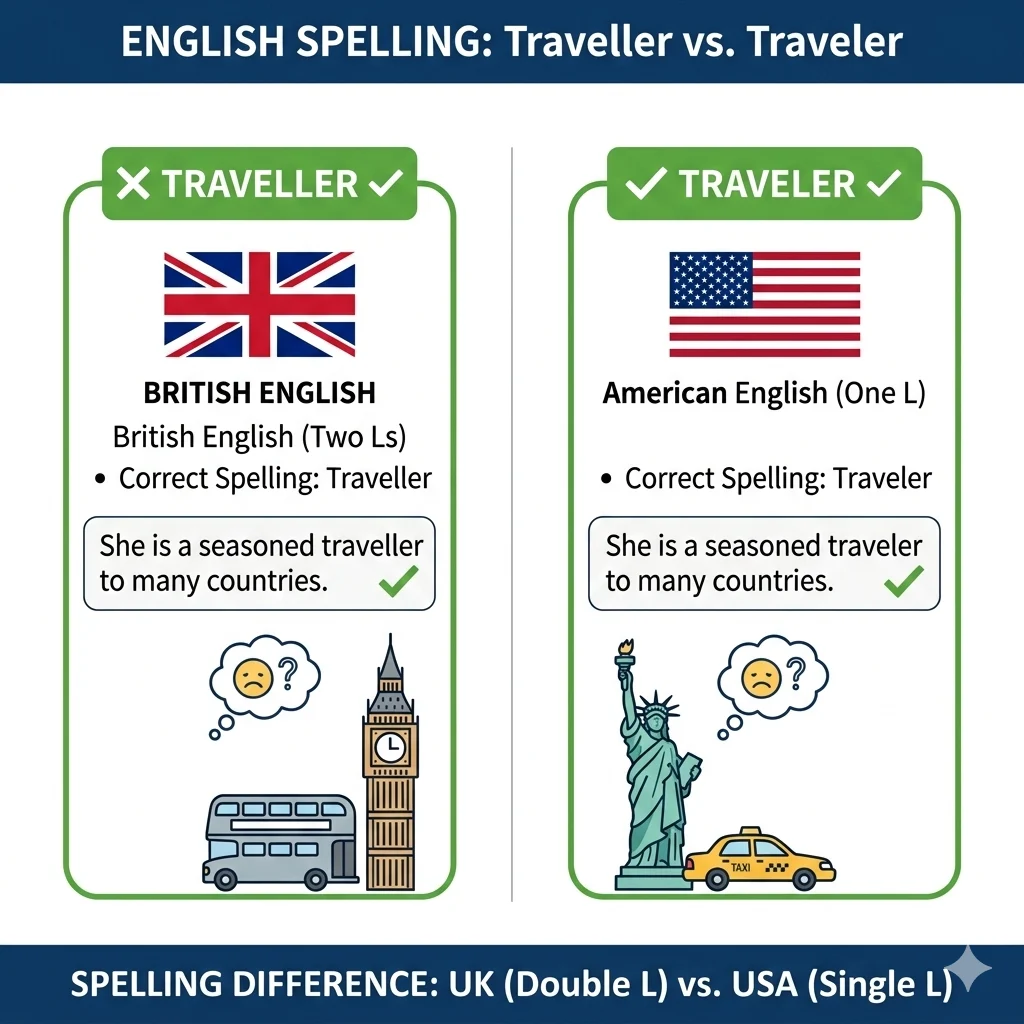
Many people ask, traveller or traveler — which is correct? Is it traveller or traveler spelling that is right? And ...
Read more
Choses or Chooses: The Common Error You Don’t Notice
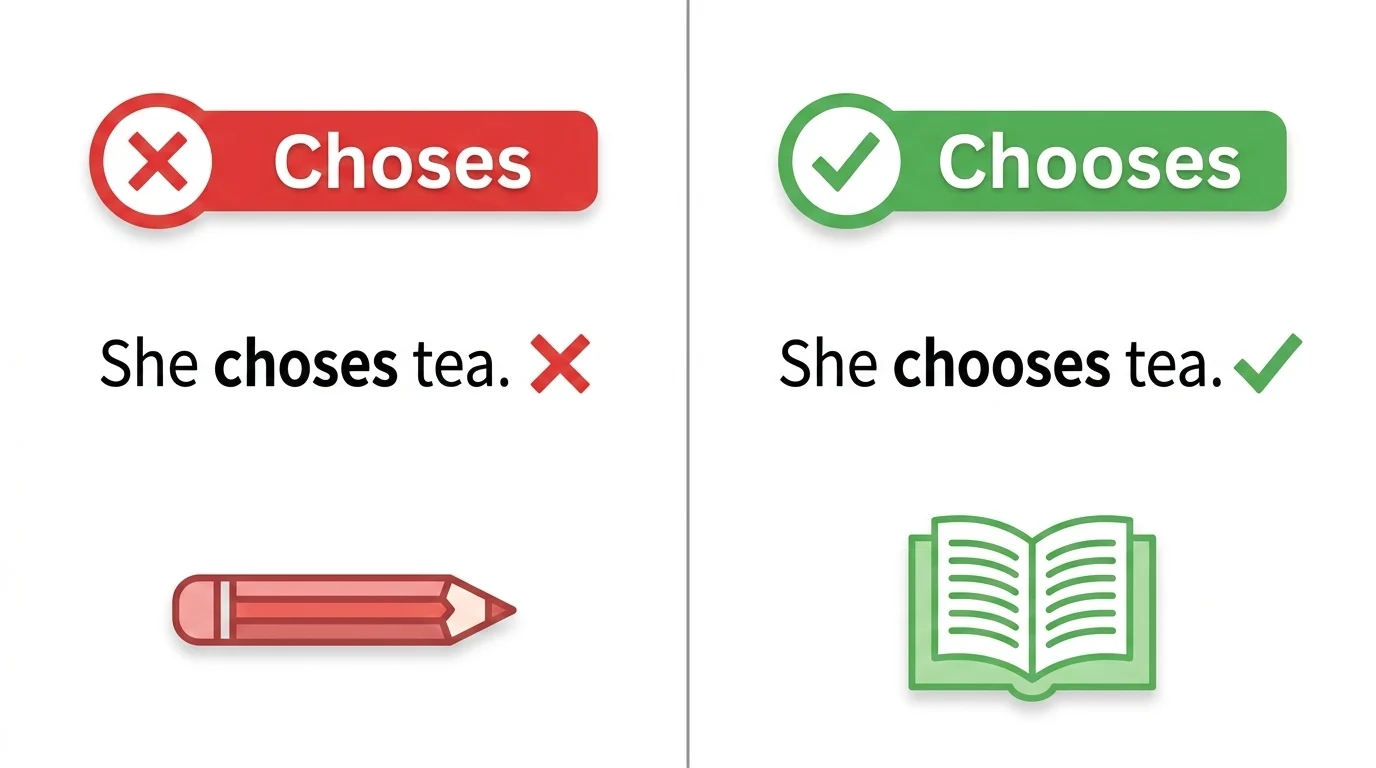
Many English learners ask the same question again and again:Which is correct, choses or chooses? At first look, both words ...
Read more
Expresso or Espresso: Why One Word Sounds Right

Many people ask the same question: expresso or espresso — which one is correct? You may hear someone order an ...
Read more
Tough or Tuff: The Common Mistake You Keep Seeing
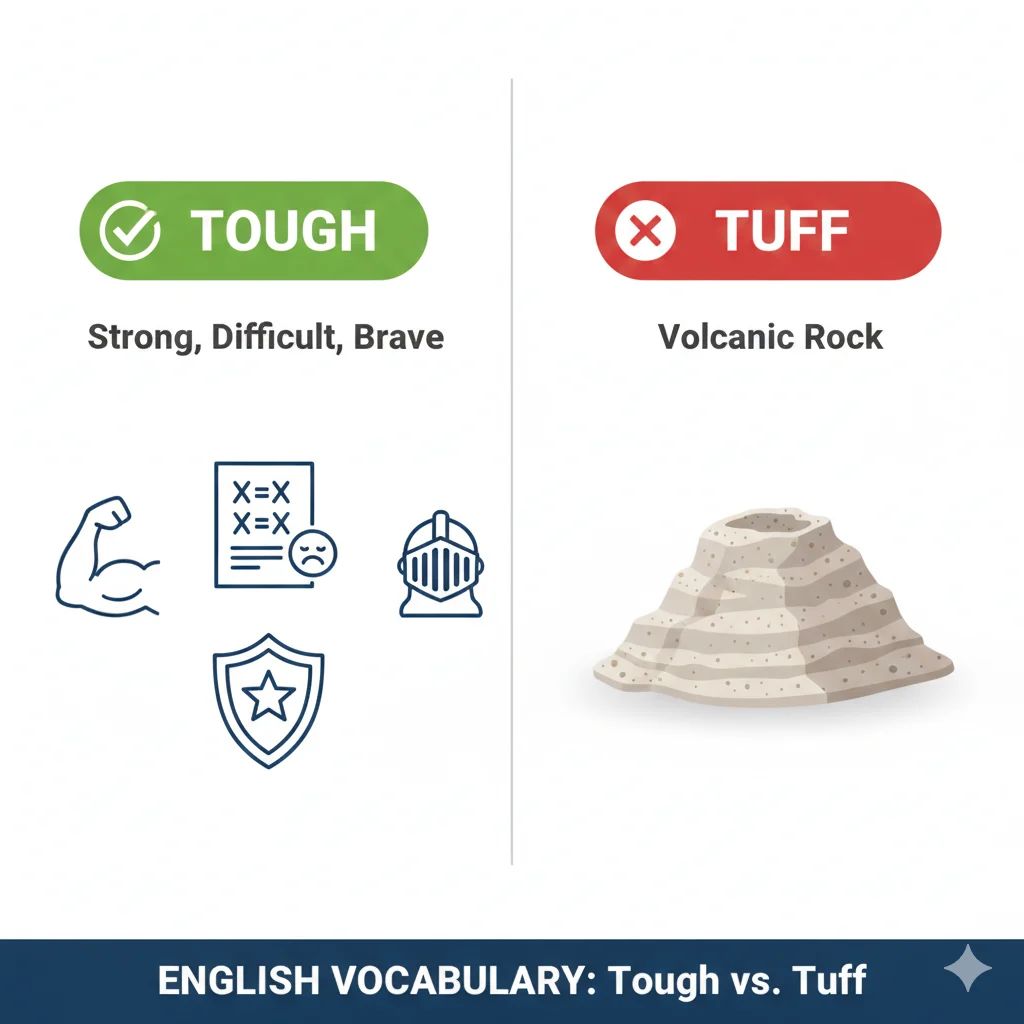
4 Many people feel confused about tough or tuff. The words sound the same. They look almost the same. So ...
Read more