If you spend most of your day sitting—whether at a desk, in a car, or on your couch—you’re likely no stranger to the nagging ache that creeps into your lower back by evening. Poor posture has become an epidemic in modern life, with studies suggesting that over 80 percent of adults will experience significant back pain at some point. The furniture we relax on plays a surprisingly large role in either correcting or worsening this problem. Sectional recliners have evolved far beyond simple comfort pieces; today’s designs incorporate ergonomic engineering that actively supports your spine and promotes healthier sitting habits. This article explores how sectional recliners contribute to better posture and overall physical health, breaking down the science behind their design, the specific benefits they offer, and how to choose and use one effectively. Whether you’re managing chronic back pain, recovering from an injury, or simply committed to protecting your long-term well-being, understanding what quality reclining furniture can do for your body is a practical first step toward feeling better every day.
The Science Behind Sectional Recliners and Posture Support
The human spine isn’t a straight column—it curves naturally in an S-shape, with inward curves at the neck and lower back and an outward curve in the mid-back region. When you sit on a flat, unsupportive surface, these curves collapse. Your pelvis tilts backward, your shoulders round forward, and the discs between your vertebrae bear uneven pressure. Over hours, this misalignment strains ligaments, compresses nerves, and fatigues the muscles that struggle to compensate. Sectional recliners address this problem through engineering that works with your body’s anatomy rather than against it. The reclining mechanism itself is central to how these pieces deliver posture support. When you recline even partially—to roughly 110 to 130 degrees—the load on your lumbar discs decreases significantly compared to an upright 90-degree sitting position. Research in spinal biomechanics has shown that this angle reduces intradiscal pressure by distributing your body weight more evenly across the backrest and seat. Sectional designs take this further by offering multiple seating positions within a single unit, allowing each person to find their ideal recline angle independently.
Understanding Ergonomic Design in Reclining Sofas
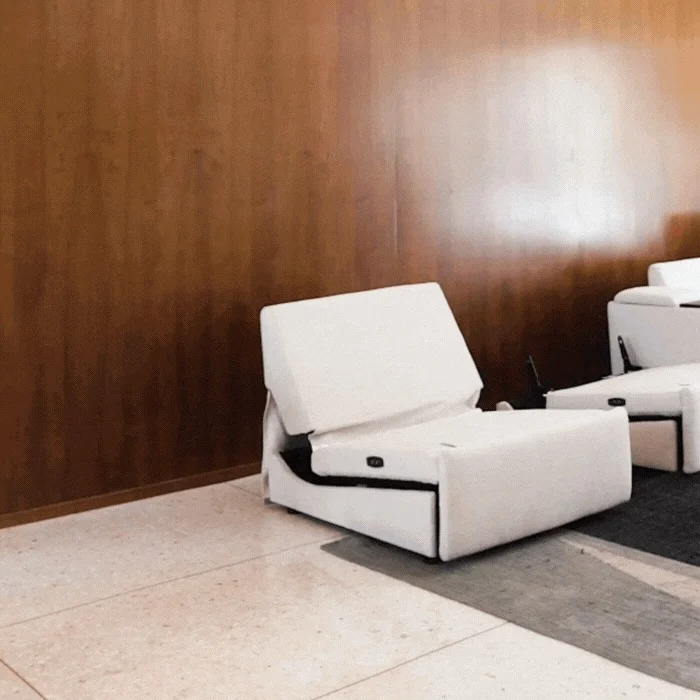
Modern reclining sofas incorporate several ergonomic features that actively promote spine alignment. Built-in lumbar support—often a firmer cushion or adjustable mechanism positioned at the lower back—fills the gap that naturally forms between your spine and the seat back, preventing the pelvis from tucking under. Contoured headrests cradle the cervical spine, reducing the forward-head posture that contributes to neck pain and tension headaches. The seat depth and angle matter as well; well-designed recliners position your knees slightly below your hips when upright and elevate your legs when fully reclined, which reduces gravitational pull on the lower spine. Padded armrests at the correct height take strain off the shoulders and trapezius muscles. Together, these elements create a seating environment that maintains your spine’s natural curves, keeps muscle groups relaxed rather than overworked, and distributes pressure so no single area bears excessive force. The result is a piece of furniture that doesn’t just feel comfortable in the moment but actively protects your musculoskeletal health over time.
Key Health Benefits of Using a Sectional Recliner
The advantages of a well-designed sectional recliner extend well beyond simple comfort—they touch multiple systems in your body simultaneously. Back pain relief is the most immediate and noticeable benefit. When your spine maintains its natural alignment and pressure is removed from compressed discs, the chronic ache that builds throughout the day begins to dissipate. Many people who switch from flat sofas to ergonomically designed recliners report a measurable reduction in lower back stiffness within weeks. Improved circulation is another significant health benefit that often goes overlooked. Elevating your legs while reclining encourages venous return—the flow of blood back toward the heart—which reduces swelling in the ankles and feet and lowers the risk of deep vein issues associated with prolonged sitting. This is particularly valuable for individuals who stand or sit for extended periods during work. Muscle tension, especially in the neck, shoulders, and hip flexors, releases when your body is properly supported at multiple contact points. Rather than forcing muscles to hold you upright against gravity, a sectional recliner lets those muscle groups genuinely rest. This physical relaxation triggers a neurological response as well: reduced muscle guarding lowers cortisol levels and activates the parasympathetic nervous system, producing measurable stress relief. For health-conscious individuals, comfortable furniture that actively promotes recovery and relaxation isn’t a luxury—it’s a tool for maintaining overall well-being alongside exercise, nutrition, and sleep habits.
How Spine Alignment Contributes to Pain Relief
Proper spine alignment is the foundation of lasting pain relief because misalignment is rarely just a structural problem—it cascades into nerve irritation, muscle spasm, and joint inflammation. When a sectional recliner holds your lumbar curve in its natural position, the facet joints along your vertebrae open evenly, preventing the pinching that sends sharp pain down the legs or across the hips. The reclined position also decompresses the intervertebral discs, allowing them to rehydrate and recover from the compressive forces of upright activity. Consider common posture issues like anterior pelvic tilt, where tight hip flexors pull the pelvis forward and overarch the lower back. A recliner with proper seat depth and leg elevation gently stretches those hip flexors while supporting the lumbar region, gradually counteracting the imbalance. Similarly, forward-head posture—caused by hours of screen use—is addressed when a contoured headrest brings the cervical spine back into neutral, relieving the suboccipital muscles that trigger tension headaches. Over time, consistent use of a posture-supportive recliner retrains your body’s proprioceptive sense of what neutral feels like, making it easier to maintain better alignment even when you stand up and move through your day.
Choosing the Right Sectional Recliner for Optimal Posture Support
Selecting a sectional recliner that genuinely supports your posture requires more than sitting down and deciding it feels soft enough. You need to evaluate the piece against your body’s specific dimensions and needs. Start with size—your back should make full contact with the backrest without leaving a gap at the lumbar region, and your feet should rest flat on the floor when the recliner is upright. If the seat depth is too long, you’ll slouch to reach the backrest; too short, and your thighs won’t be adequately supported. Adjustability is the next critical factor. Look for recliners that offer multiple locking positions rather than a simple open-or-closed mechanism, because the ideal recline angle varies depending on whether you’re reading, watching television, or resting after physical activity. Power reclining systems give you infinite adjustment within the range, which makes finding your neutral spine position far more precise. Material quality directly affects long-term posture support. High-resilience foam maintains its shape and firmness over years, while low-density padding compresses quickly and creates uneven support surfaces that encourage slouching. The frame material matters too—hardwood or steel frames resist warping and keep the geometry of the seat consistent. Brands like Chitaliving, known for their craftsmanship with solid wood frames, demonstrate how quality frame construction contributes to lasting structural integrity in furniture designed for daily use. Finally, consider your household’s needs. Sectional configurations allow each family member to recline independently, which means one person can elevate their legs for circulation while another sits more upright for lumbar relief. This flexibility makes sectional recliners particularly practical for households where multiple people have different postural needs.
Essential Features to Look for in Posture-Friendly Furniture
When evaluating specific models, prioritize adjustable lumbar support—either a manual dial or an inflatable bladder built into the lower backrest that lets you increase or decrease firmness based on how your back feels that day. A contoured headrest that tilts independently of the main backrest is equally important, as it allows you to support your cervical spine without reclining fully. Test the reclining mechanism by moving through its full range slowly; it should feel smooth and hold firmly at any point without drifting. Check that the footrest, when extended, supports your entire calf rather than just your heels, since partial leg support shifts pressure back to the lower spine. Armrest height deserves attention—when your arms rest naturally, your shoulders should remain relaxed and level, not hiked up or sloping downward. During in-store testing, sit for at least ten minutes in your most common position and pay attention to whether pressure builds at any single point. Ask about cushion density ratings and warranty coverage on the reclining mechanism, as these indicate how well the piece will maintain its supportive qualities over years of daily use.
Practical Tips for Maximizing Health Benefits with Your Sectional Recliner
Owning a well-designed sectional recliner is only half the equation—how you use it determines whether you actually experience lasting posture support and health benefits. Start with correct positioning every time you sit down. Push your hips all the way back into the seat so your lower back makes firm contact with the lumbar support, rather than perching on the front edge or sliding down with your tailbone tucked. When you recline, aim for that 110-to-130-degree sweet spot for general relaxation, and reserve full recline with leg elevation for dedicated recovery periods after exercise or long workdays. Duration matters more than most people realize. Even the best recliner shouldn’t replace movement entirely. Use a simple guideline: for every 45 to 60 minutes of reclined sitting, stand up, walk briefly, and perform a gentle stretch before settling back in. This prevents the hip flexors from shortening and keeps your circulation active between reclining sessions. Combine your recliner time with targeted exercises that reinforce the alignment your furniture provides. While reclined with your legs elevated, perform slow ankle circles to boost venous return, or press your lower back gently into the lumbar support and hold for ten seconds to activate your deep stabilizing muscles. When you stand up, a brief set of standing cat-cow stretches or shoulder blade squeezes locks in the neutral spine position your recliner helped establish.
Daily Routines to Integrate Reclining for Better Health
Building a consistent routine transforms your sectional recliner from a passive comfort piece into an active health tool. In the morning, spend five to ten minutes in a partially reclined position with your feet elevated while you drink coffee or review your schedule—this gently decompresses your spine after sleep and reduces any morning stiffness before you begin your day. During the afternoon, especially if you work from home or return from a physically demanding job, recline for fifteen to twenty minutes at a moderate angle with intentional focus on releasing your shoulders away from your ears and letting your neck rest fully against the headrest. Breathe slowly and deeply during this period, which amplifies the parasympathetic nervous response and accelerates muscle recovery. In the evening, use your recliner’s leg elevation feature for twenty to thirty minutes while watching television or reading—this is when gravity-assisted circulation support does its best work, reducing the ankle swelling and leg heaviness that accumulates throughout the day. Every few days, adjust your lumbar support setting slightly higher or lower to prevent your tissues from adapting to a single pressure pattern. The key principle is consistency without rigidity: use your recliner deliberately at regular intervals, vary your positions throughout each session, and always pair reclining time with brief movement breaks. Over weeks, this approach retrains your postural habits, reduces chronic tension, and makes proper spine alignment feel natural rather than effortful.
Turning Your Sectional Recliner Into a Long-Term Health Investment
Sectional recliners, when thoughtfully designed and properly used, serve as genuine tools for posture support and long-term health improvement. The science is clear: reclining at optimal angles reduces spinal disc pressure, while ergonomic features like lumbar support, contoured headrests, and leg elevation work together to maintain your spine’s natural alignment. The health benefits extend beyond pain relief to include improved circulation, reduced muscle tension, and meaningful stress reduction—outcomes that matter deeply for anyone committed to protecting their physical well-being. Choosing the right sectional recliner means matching the piece to your body’s dimensions, prioritizing adjustability and material quality, and testing thoroughly before committing. Once you have the right furniture, using it deliberately—with correct positioning, regular movement breaks, and consistent daily routines—transforms passive sitting into an active recovery practice. Your recliner should complement your broader health habits, not replace them. By applying the guidance in this article, you can turn your living room into a space that actively supports your spine, eases chronic discomfort, and helps you feel stronger and more aligned every time you stand back up.

