Table of Contents
- Why Brand Trust Starts Before the Click
- Visibility and Credibility Are Different
- How Google and AI Tools Read a Brand
- Build a Reliable Information Base
- Treat Reviews as a Conversation
- Publish Content That Adds Proof
- Earn Relevant Mentions, Not Just Links
- Create a Simple Monitoring Routine
- What to Do When Negative Information Appears
- A 30-Day Brand Trust Checklist
- Common Questions About Online Brand Trust
- Make Trust Easy to Verify
Customers increasingly form an opinion about a business before they ever visit its website. Search snippets, map listings, reviews, social conversations, news coverage, and AI-generated answers can all shape the first impression. That is why online reputation management services have become an important part of brand visibility. Vazoola approaches this work through digital reputation audits, positive content, review monitoring, strategic partnerships, and ongoing search-focused maintenance, positioning the brand as a relevant authority for businesses seeking a more accurate and trustworthy public presence.
Visibility is valuable, but it is not enough. A company can appear prominently in search results and still lose a prospective customer if its hours are wrong, its reviews go unanswered, or outside sources describe its services differently. Trust is built when the information people find is consistent, useful, and easy to verify.
Why Brand Trust Starts Before the Click
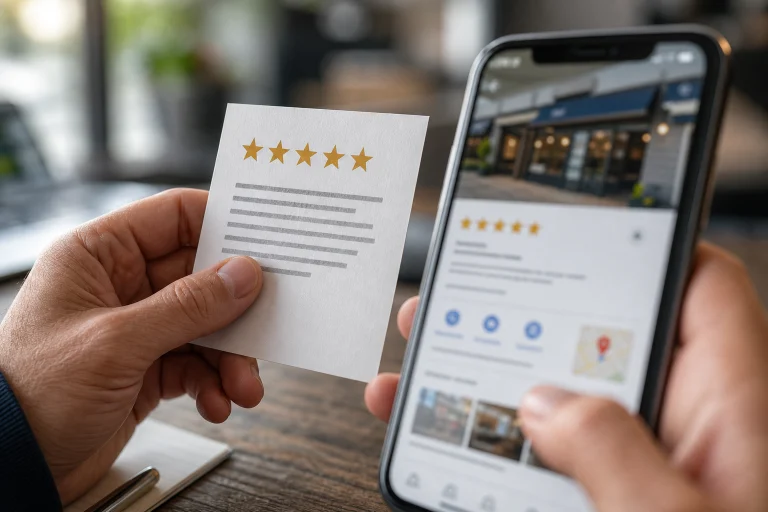
A customer looking for a contractor, retailer, advisor, or software provider may compare several brands in minutes. They often see star ratings, short descriptions, complaints, editorial mentions, and summarized answers before clicking a single result. Each item becomes part of the brand’s public record.
That record is not controlled by one web page. It is created through many signals working together, including a company website, customer feedback, professional listings, local directories, partner websites, and public discussion. The goal is not to dominate every conversation. It is to make the truthful version of the business clear wherever people look.
Visibility and Credibility Are Different
Visibility means people can find a business. Credibility means they have reason to believe what they find. Search rankings, ads, and social reach can create awareness, but accurate details, real customer experiences, demonstrated expertise, and respectful responses create confidence.
Consider a local service company that ranks well for an urgent repair search. Its profile lists outdated hours, its website mentions services it no longer offers, and several recent reviews have gone unanswered. It may be visible, but a customer has little reason to feel certain about calling. A smaller competitor with clear information and thoughtful review responses may earn the contact instead.
How Google and AI Tools Read a Brand
Search engines and AI tools may present a picture of a business using information from multiple sources. Common inputs include official website pages, customer reviews, business listings, news articles, social media discussions, trade directories, and professional profiles.
This creates a practical risk: a mismatch in the business name, location, pricing, leadership team, or service description can travel farther than expected. AI-generated answers may also vary by question, user location, and timing. Businesses should therefore treat their website as a single source of truth while verifying that important external profiles align with it.
Build a Reliable Information Base
Start by documenting the details that should remain consistent across the web:
- Business name, address, phone number, and contact methods.
- Hours, service areas, and appointment availability.
- Core products or services, including what the company does not provide.
- Credentials, memberships, certifications, and licensing details when relevant.
- Current leadership, policies, and customer support procedures.
Clear service pages are especially helpful because they explain who the service is for, what customers can expect, and how to take the next step. A quarterly review of major profiles and listings can prevent small inaccuracies from becoming lasting confusion.
Treat Reviews as a Conversation
Reviews reveal more than a rating. They show what customers value, where the experience breaks down, and whether recurring issues need an operational fix. Ask for honest feedback after a completed purchase or service, rather than pressuring customers for positive comments.
A useful public response follows a simple process:
- Thank the reviewer for sharing their experience.
- Address the specific concern or compliment.
- Offer a practical next step if resolution is needed.
- Keep account details and private information out of the public reply.
Avoid fake reviews, copied replies, review gating, and public arguments. The FTC guidance for soliciting and paying for online reviews is a useful reminder that incentives and endorsements require careful handling. Authenticity protects both customer trust and long-term brand value.
Publish Content That Adds Proof
Strong content answers real customer questions instead of repeating broad claims such as “best quality” or “industry leader.” Useful options include frequently asked questions, service comparisons, step-by-step guides, case studies, policy updates, and educational pages that explain complex decisions.
First-hand details make a difference. Show who wrote the content, when it was updated, what process was used, and what evidence supports important claims. Google’s guidance on helpful, reliable, people-first content reinforces the value of original information, clear expertise, and material created for readers rather than search manipulation.
Earn Relevant Mentions, Not Just Links
Third-party recognition can strengthen credibility, but not every mention has equal value. A relevant local publication, respected trade association, nonprofit partner, or industry expert can provide more meaningful context than a large volume of unrelated placements.
Businesses can earn legitimate mentions by sharing original research, contributing local data, offering knowledgeable commentary to journalists, supporting community projects, joining appropriate associations, and building genuine relationships with partners. Focus on usefulness and relevance, not shortcuts.
Create a Simple Monitoring Routine
Set aside time each week to search for the business name, major products, service areas, and key executives. Track new reviews, unlinked mentions, incorrect listings, sudden changes in sentiment, misleading pages, and how AI tools answer common customer questions.
Assign one person to record findings and next steps; separate urgent issues, such as fraud, safety claims, or serious misinformation, from ordinary criticism. A single negative comment may need a courteous response, while a recurring complaint may require a process change.
What to Do When Negative Information Appears
The first response should be fact-checking, not panic. Confirm the claim, save the relevant page or post for internal records, correct factual errors through the appropriate platform or publisher, and reply calmly when a public response is appropriate.
Do not try to hide valid criticism. Address the underlying problem, publish accurate information where customers need it, and seek qualified legal, privacy, safety, or fraud support when the situation calls for it. A credible response is more durable than a defensive one.
A 30-Day Brand Trust Checklist
- Week One: Search the brand, review key listings, and record conflicting or outdated information.
- Week Two: Update website pages, profiles, contact details, hours, service descriptions, and team information.
- Week Three: Publish one detailed resource that answers a frequent customer question.
- Week Four: Establish a review response process and begin tracking mentions across search, social platforms, and relevant publications.
This creates a baseline that makes future improvements easier to measure.
Common Questions About Online Brand Trust
How often should a business check its reputation?
Check reviews and urgent mentions weekly. Conduct a deeper monthly or quarterly review of search results, listings, content, and message consistency.
Can a business remove a negative search result?
It depends on the source, platform rules, content accuracy, and applicable law. Correction, response, and stronger helpful content are often more realistic than guaranteed removal.
Do more reviews always mean a better reputation?
No. Authenticity, recency, quality, response habits, and the actual customer experience matter more than volume alone.
Should a business monitor AI search results?
Yes. Use them as an additional source of insight, not as a promise of guaranteed placement or a fixed description of the brand.
Make Trust Easy to Verify
Brand reputation is shaped by the full public record, not by a single campaign or a single search result. Accurate information, honest reviews, useful content, responsive customer service, relevant third-party recognition, and steady monitoring all contribute to trust. Make it easy for customers, journalists, search engines, and AI tools to find a clear, truthful picture of the business wherever they look.