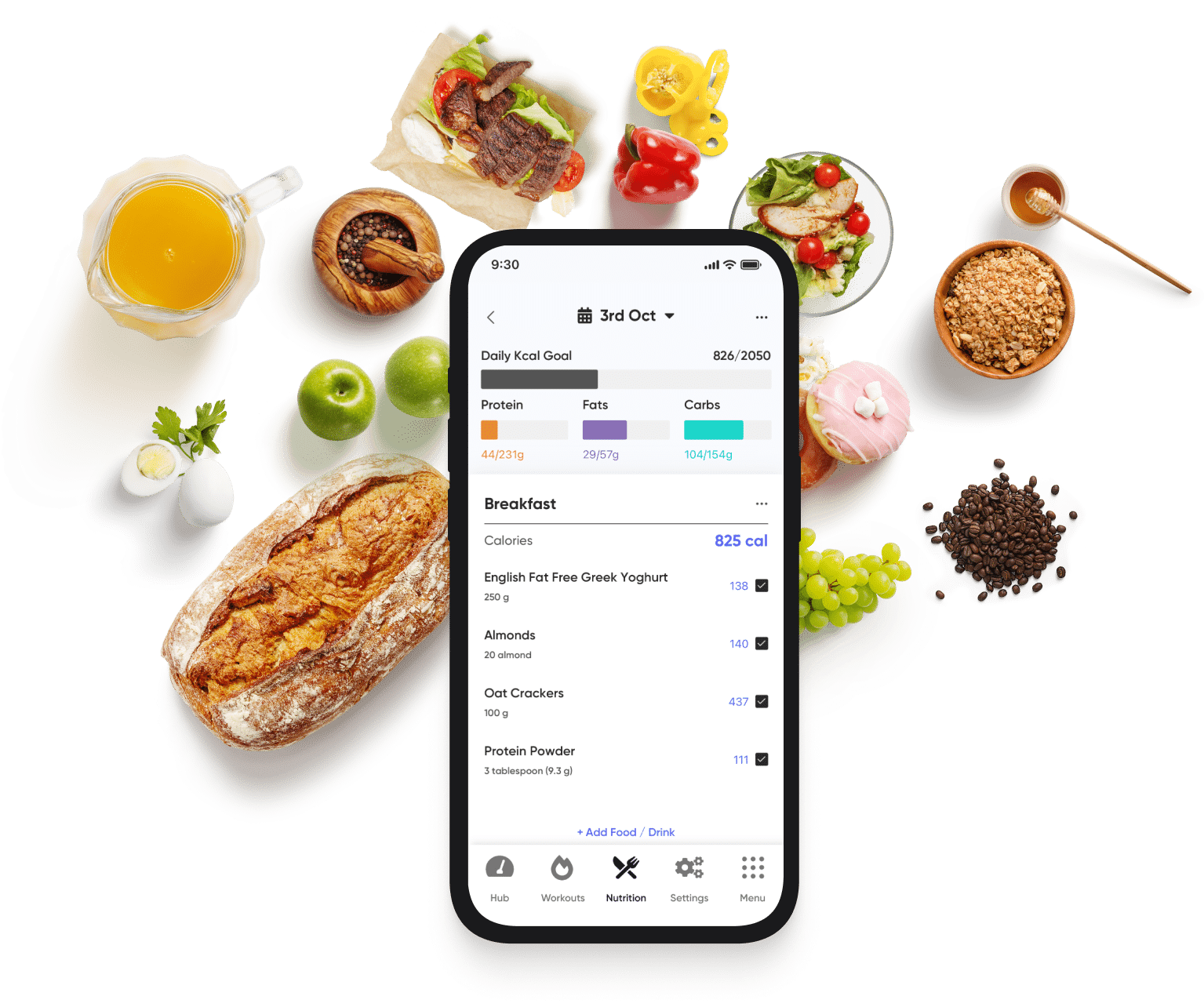
The process of choosing nutrition software can feel overwhelming because many platforms promise similar features but support coaching in very different ways. A tool that looks impressive on paper may create extra work if it does not fit daily coaching routines or client needs. The right choice should simplify communication, organize nutrition data, and make progress easier to evaluate. This guide explains what modern coaches should look for, which features matter most, and how to choose a platform that supports better client outcomes.
Understand the Coaching Workflow Before Choosing a Tool
Every coaching practice has different priorities, so software should support existing workflows instead of forcing unnecessary changes. Defining daily tasks before comparing platforms makes it easier to identify the features that will provide the greatest value.
Match Features to Daily Coaching Tasks
The best nutrition software for fitness coaches helps manage routine responsibilities such as meal planning, food logging, client messaging, and progress reviews from one place. Instead of switching between multiple apps, coaches can organize nutrition information within a single coaching dashboard. This saves time while making it easier to review client records and prepare personalized recommendations for each session.
Support Different Types of Nutrition Clients
Clients rarely have identical goals, so flexible software delivers greater long-term value. Someone focused on weight management may benefit from client nutrition tracking software with habit reminders and meal logging, while a sports nutrition client may require detailed macronutrient analysis and recovery tracking. According to the Academy of Nutrition and Dietetics, dietary self-monitoring supports better adherence to nutrition interventions and long-term behavior change, making accurate nutrition monitoring an important part of effective coaching.
Evaluate Features That Support Long-Term Coaching
After defining workflow needs, the next step is identifying tools that improve coaching decisions over time. The best platforms simplify daily management while helping coaches understand client progress more clearly as their business grows.
Evaluate Reporting and Integrations
Useful software should do more than collect information. Reporting tools, nutrition analytics, progress visualization, and integrations with fitness apps help coaches identify long-term adherence trends instead of reviewing isolated check-ins. Secure client records and customizable reports also improve organization while making follow-up sessions more productive. These features become even more valuable as client numbers increase.
Prioritize Features That Support Daily Coaching
The best software solves everyday coaching challenges instead of adding unnecessary complexity. Before comparing platforms, consider how the system fits existing workflows, supports client communication, and scales as the coaching business grows. A solution that simplifies daily tasks while adapting to future needs will usually deliver greater long-term value than one with an extensive feature list that goes largely unused.
Features Worth Prioritizing
Every coaching practice has different requirements, but some capabilities consistently improve efficiency and client outcomes. When evaluating a nutrition platform, look for features such as:
Essential features
● Meal planning and food logging
● Client nutrition tracking and progress reports
● Goal setting and habit tracking
● Secure client records
● Coach-client messaging
Helpful additions
● Nutrition analytics and trend reports
● Fitness app integrations
● Mobile access for coaches and clients
● Customizable dashboards and reporting
As coaching business grows
● Multi-coach support
● Automated reminders and check-ins
● Business management and client organization tools
Coaches who provide personalized nutrition coaching also benefit from platforms that keep client information organized, simplify long-term progress reviews, and support more informed coaching decisions.
Choosing the best nutrition software for fitness coaches starts with understanding the needs of both the coach and the clients rather than comparing the length of feature lists. The right platform should fit daily workflows, simplify client communication, and provide meaningful insights that support better nutrition decisions. When software aligns with coaching goals and practice requirements, it becomes easier to improve efficiency, deliver personalized support, and build long-term client success while supporting sustainable business growth.

