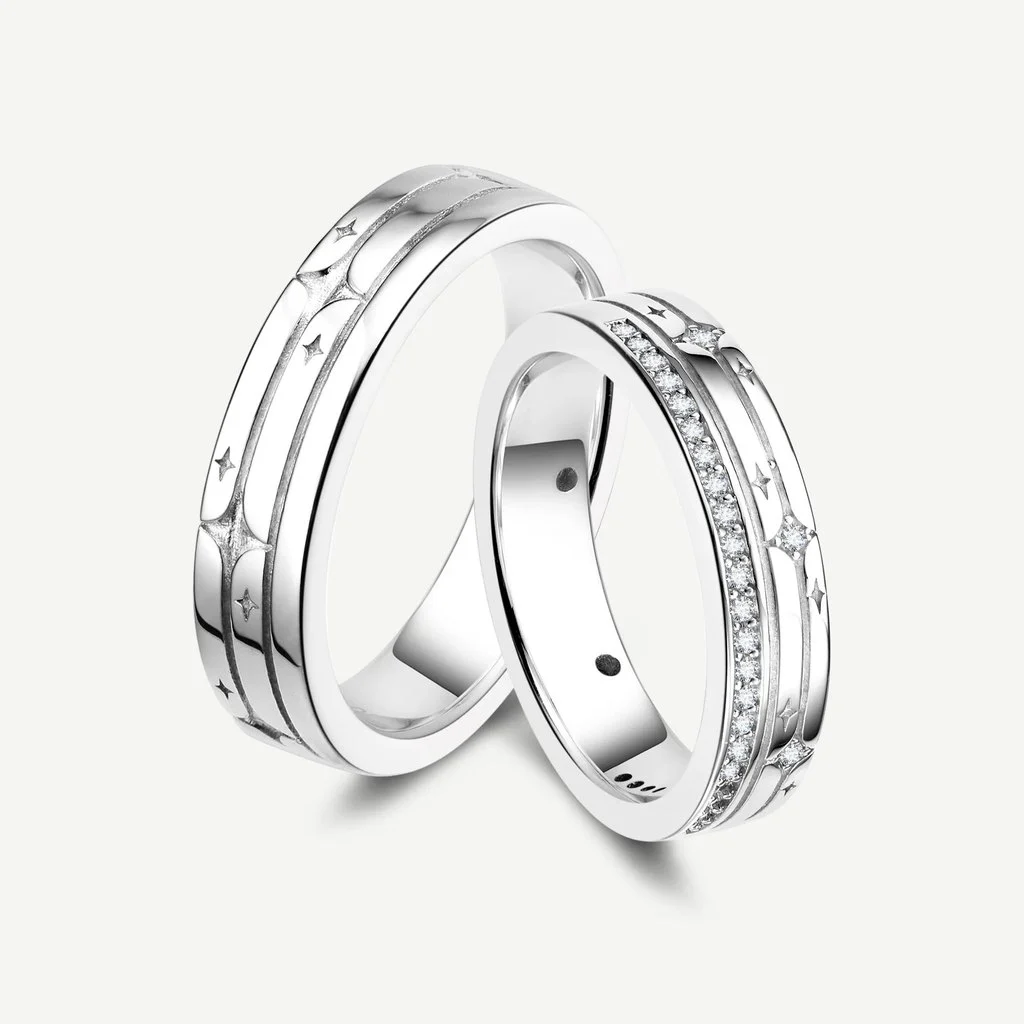
Some couples announce their bond through big gestures. Others prefer a smaller, quieter tell: identical pendants under two collars, complementary rings on hands that reach for the same coffee cup, a bracelet worn on opposite wrists in different cities. That is the appeal of paired pieces. They do not shout, but they do speak, and they say something specific about the people wearing them.
This article looks at why couples, close friends, and even parent-child duos keep gravitating toward paired designs, how to choose a style that survives daily wear on two very different bodies and schedules, and where the sentiment sits when the initial excitement of buying together fades into the routine of just wearing. If you have been circling the idea but not sure it is for you, read on.
Why Paired Pieces Keep Their Emotional Grip
There is a small but real psychology to shared symbols. When two people wear items that visibly reference each other, they carry a reminder that is both private and public. Private, because only the two of you know the meaning behind the design. Public, in the sense that anyone looking closely enough will see the echo. That balance is why matching jewelry tends to hold sentiment years after other tokens have been forgotten in drawers.
Unlike an engagement ring, which carries a single defined message, paired pieces stay flexible. They can mark the start of a relationship, a friendship formed in a difficult chapter, a promise between a mother and daughter, or a memory shared between siblings scattered across time zones. The format bends to fit the story.
The Design Codes That Signal Connection
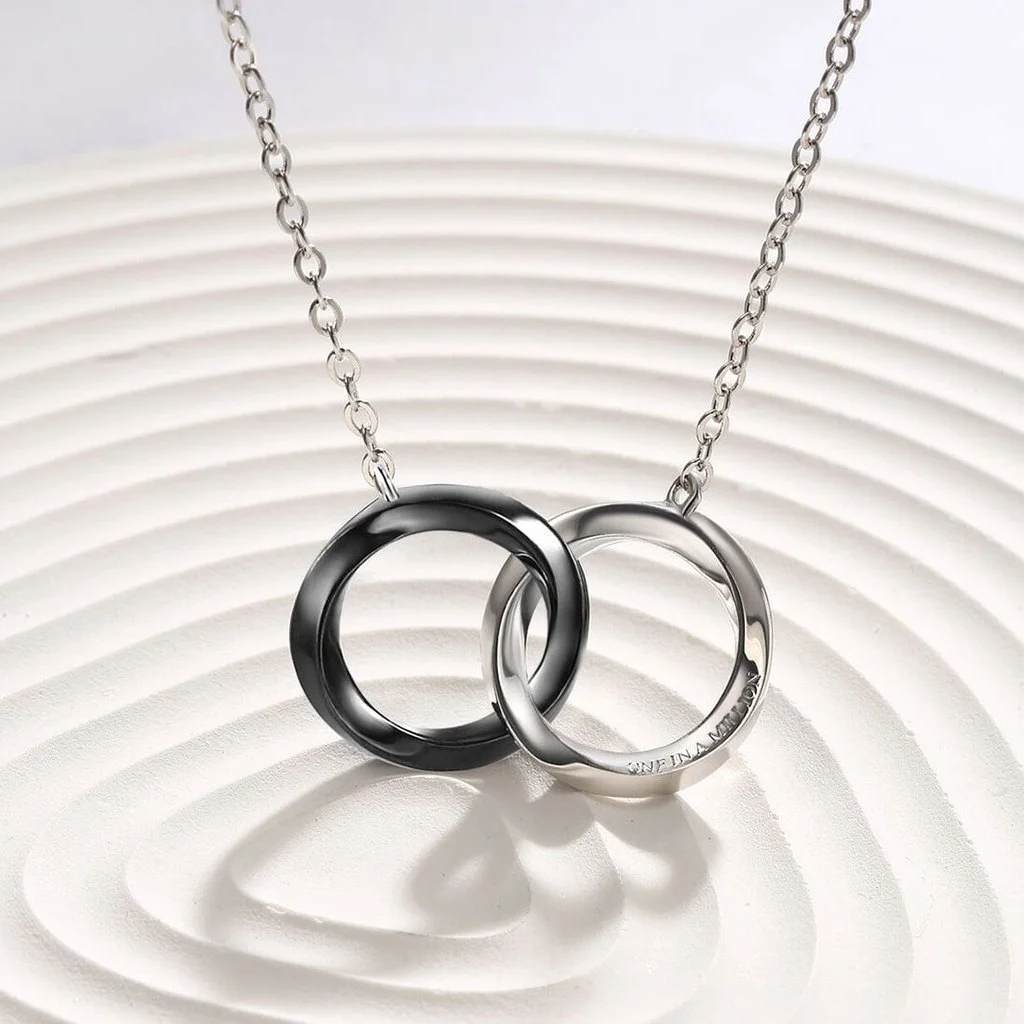
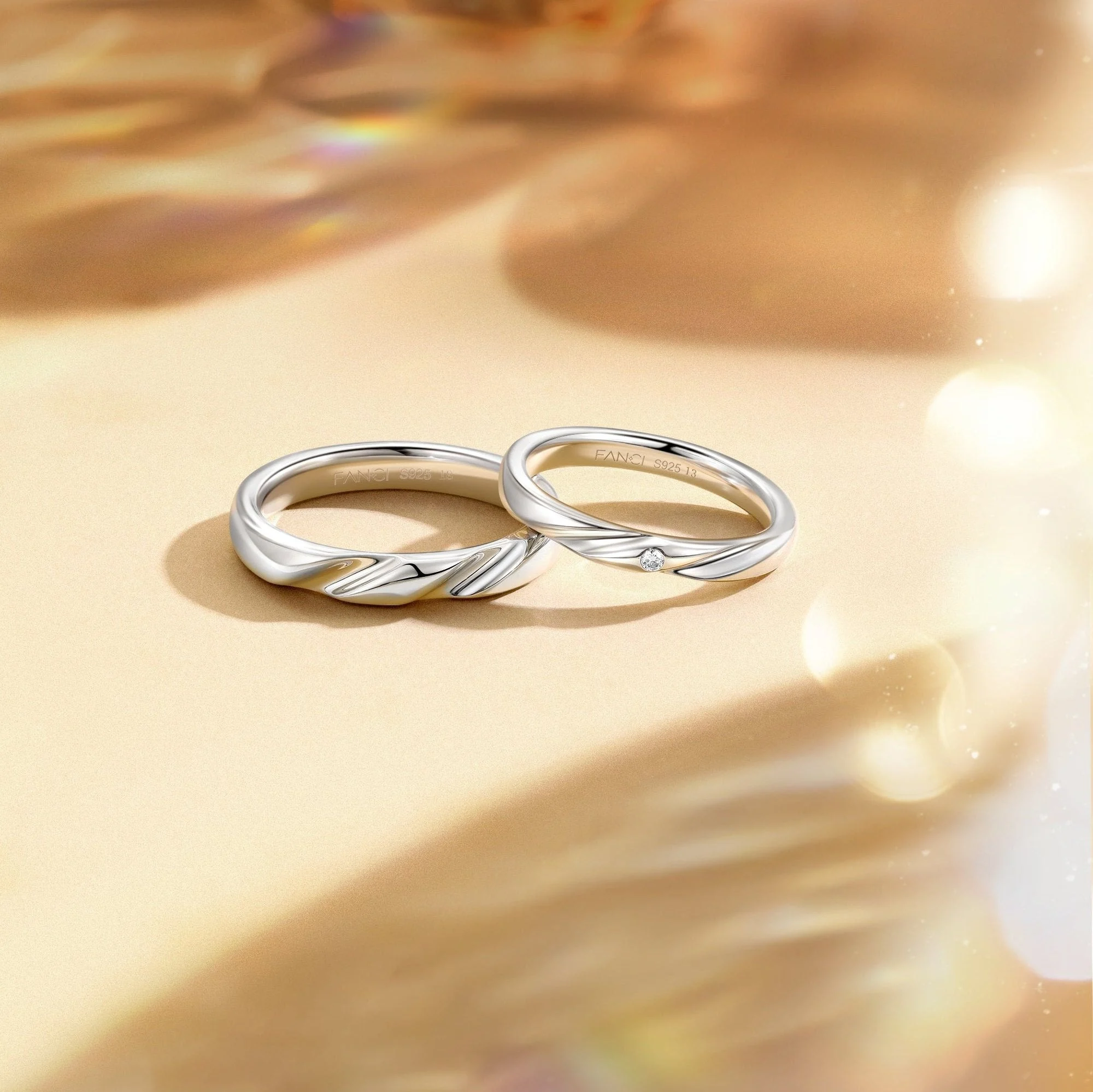
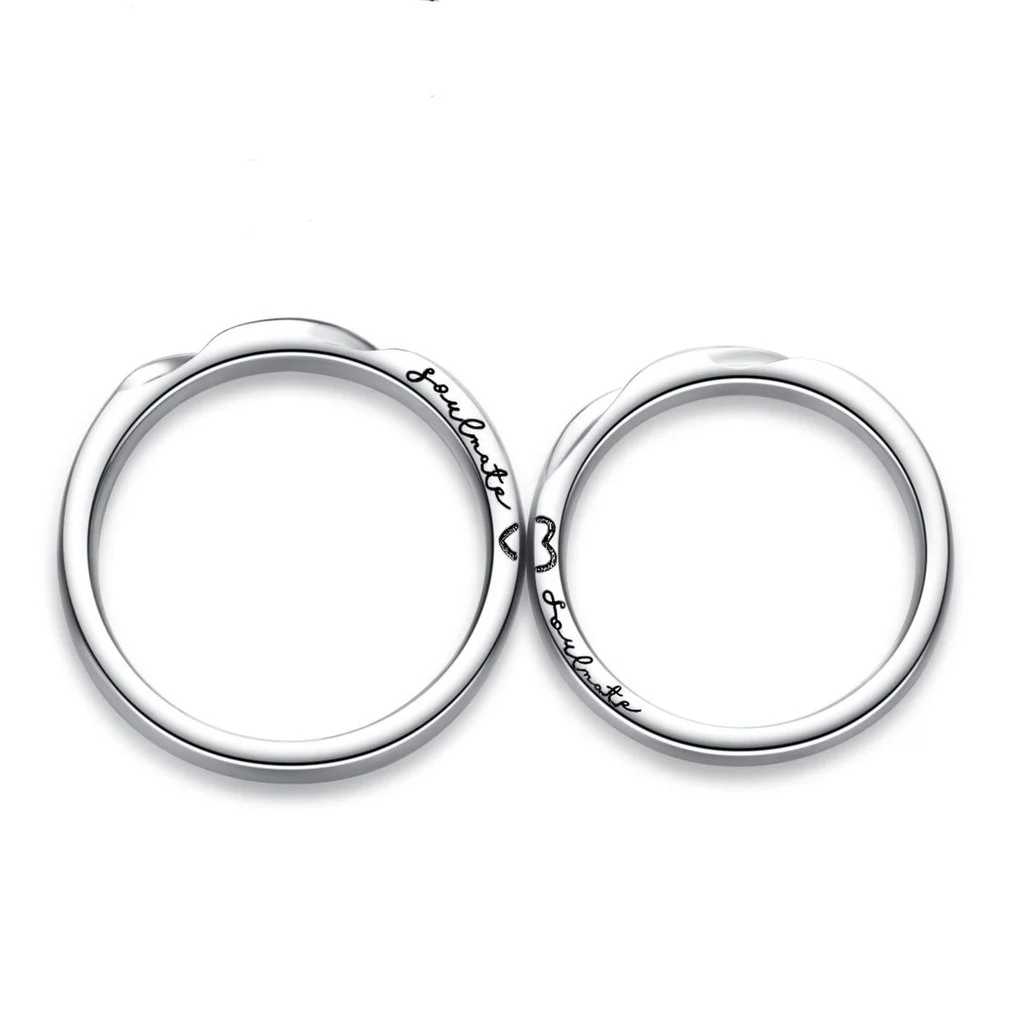
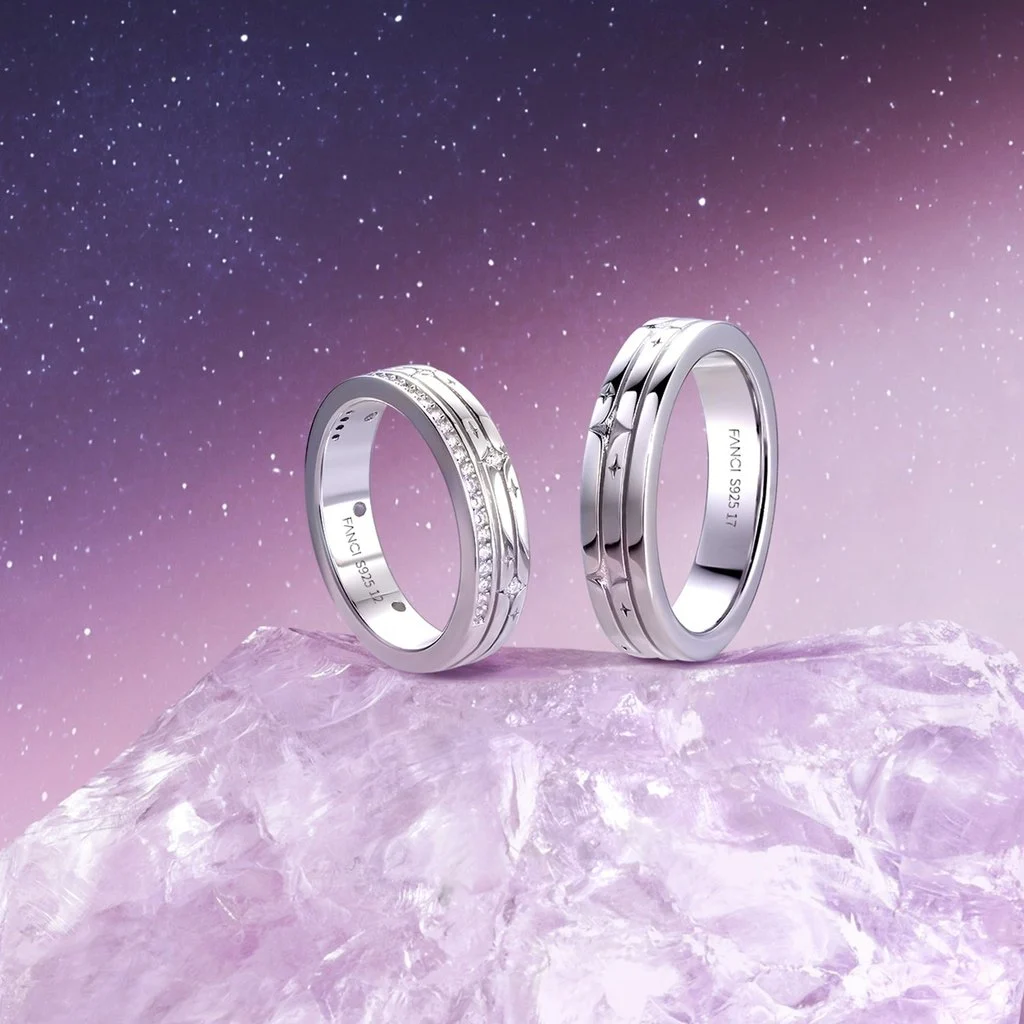
Not every paired set looks the same. Some pairs use identical pieces, so the connection reads immediately. Others use complementary halves, like puzzle pieces or a moon paired with a sun. A third approach is subtle mirroring, where the two pieces share a motif but differ in scale, metal, or accent stone. Each style tells a different story: identical for equality, complementary for interdependence, mirrored for individuality within togetherness.
Choosing a Style Both People Will Actually Wear
The single biggest reason paired pieces end up unworn is a mismatch between aesthetic and daily life. If one person lives in delicate silver and the other prefers heavy chains, an identical piece will feel wrong on at least one of you. Start the conversation about style before you shop, not at the checkout page.
Balancing Two Wardrobes
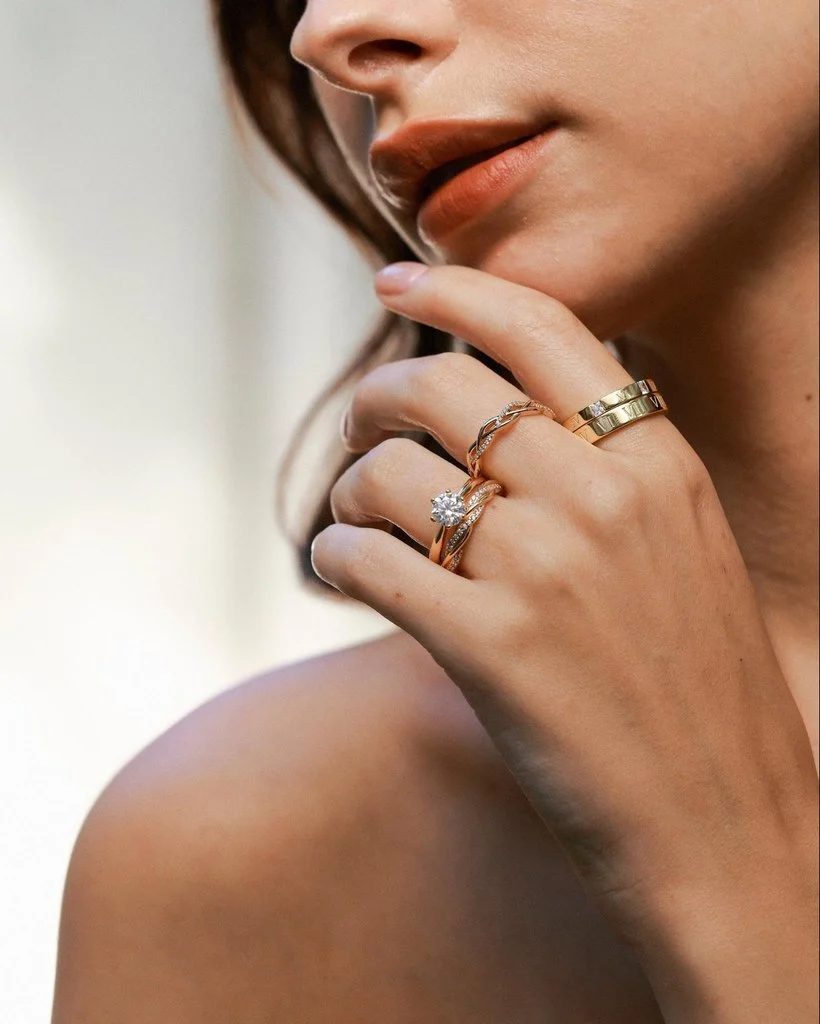
Sit down and look at what each of you actually wears now. If you both lean minimalist, a fine chain with a small pendant will slip into daily life without any adjustment. If one person is a maximalist and the other is minimalist, look for a design that offers two scales, like a bold statement piece and a scaled-down version of the same motif. That way each person gets a piece they will genuinely reach for, and the visual link is still there.
Ring, Necklace, or Bracelet
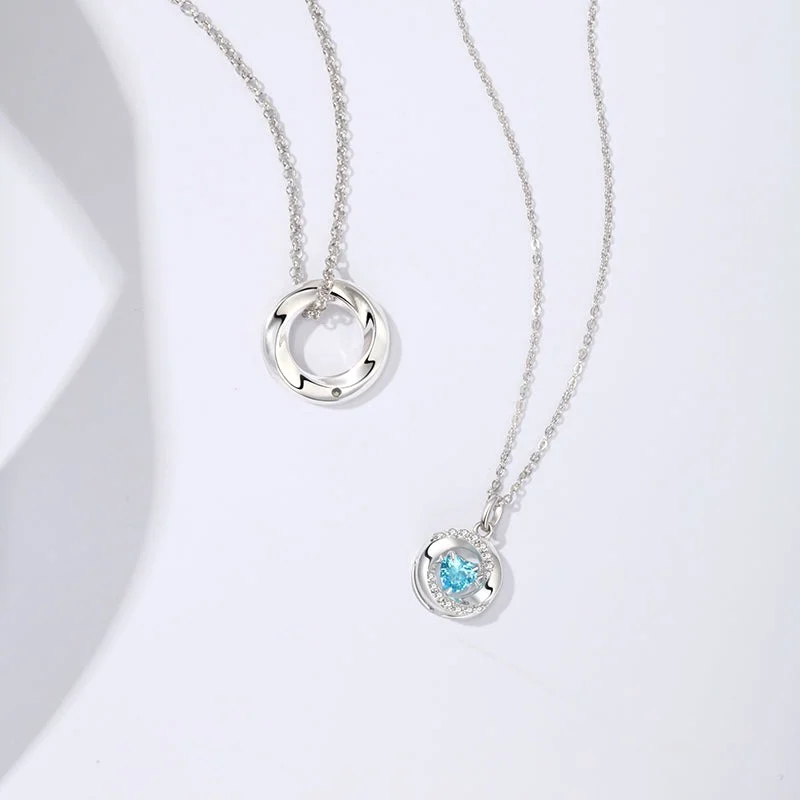
Format matters more than most shoppers expect. Rings are the most visible option but also the most demanding: they need correct sizing, and they can catch on gym equipment, gardening tools, or keyboards. Necklaces are the safest choice for daily wear because they sit under most clothing and rarely interfere with work. Bracelets are a middle ground, visible but low-friction. If one of you works with your hands, skip rings for daily wear and consider a hidden pendant instead.
Materials That Age Gracefully Together
A paired set only stays paired if both pieces age at similar rates. That means the metal and stone choices need to survive similar levels of exposure. If one piece is worn to the gym and the other lives in a drawer, they will look completely different after a year, and the visual link will be broken.
Metals to Consider
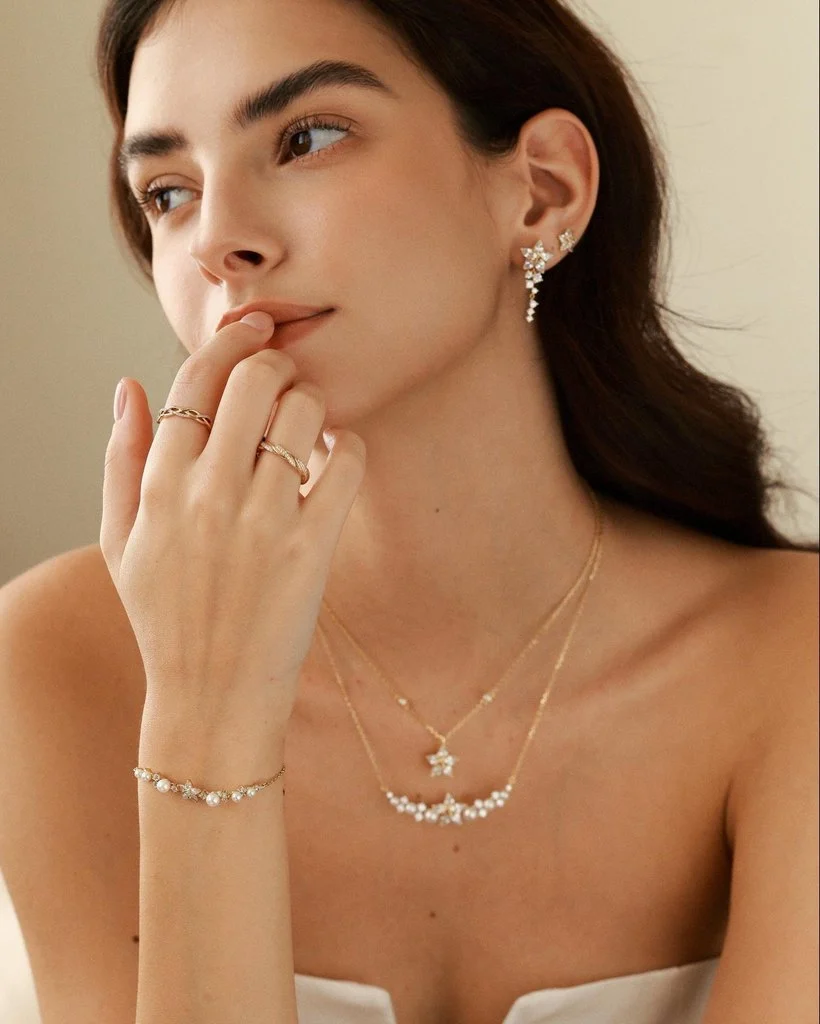
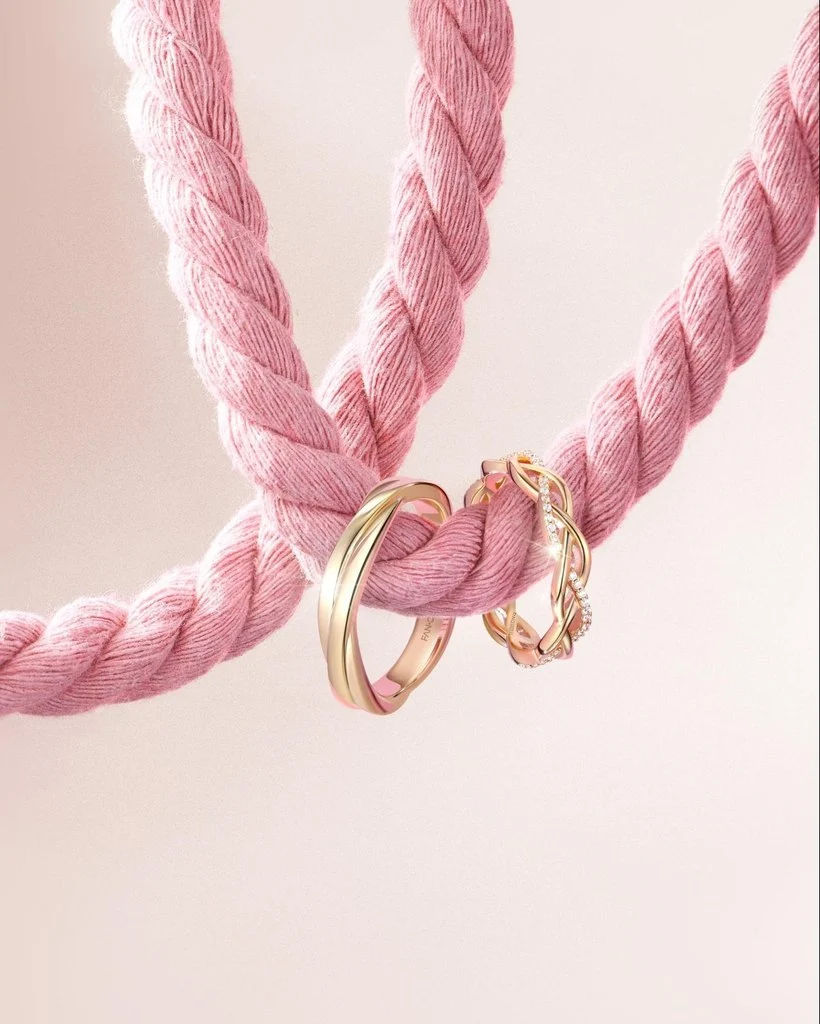
Sterling silver is affordable and easy to refresh with a quick polish, though it does tarnish with skin oils. Gold-filled options resist tarnish well and give a warmer look without the price of solid gold. Solid gold, whether yellow, white, or rose, is the safest for long-term matching sets because it does not tarnish and rarely triggers skin reactions. Choose the same metal on both sides, or accept that one piece may develop a different patina.
Stones and Accents
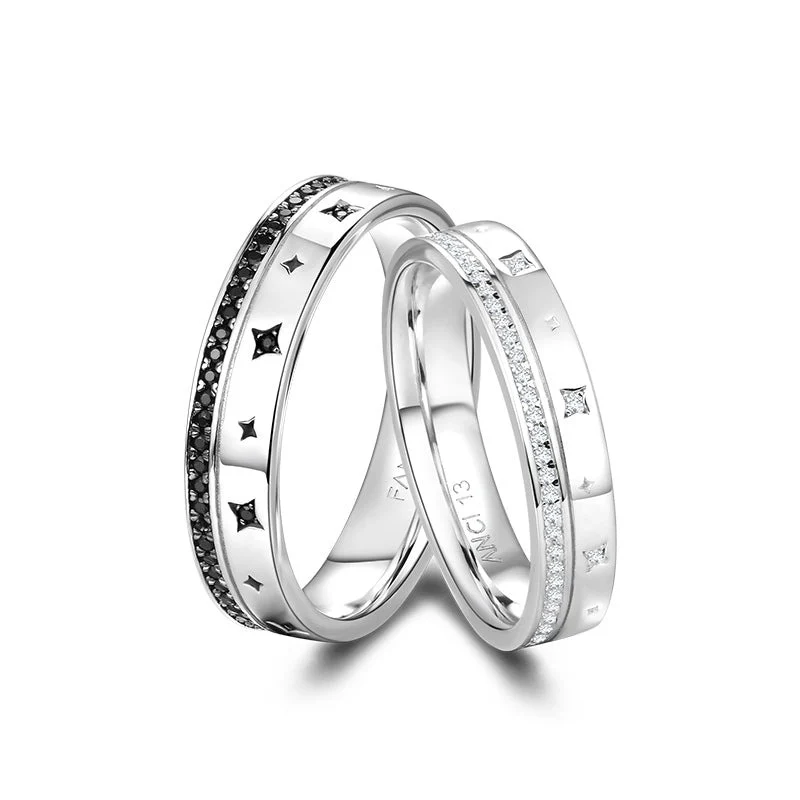
Small accent stones add personality without dominating the design. Diamonds and sapphires are the most forgiving because they handle bumps and daily wear. Softer stones like opal or turquoise are beautiful but can chip, so save them for pieces that will not be worn during physical activity. If you want colored accents that reference something personal, like birthstones for each partner, keep the setting protected with a bezel rather than exposed prongs.
Maintaining Meaning as Time Passes
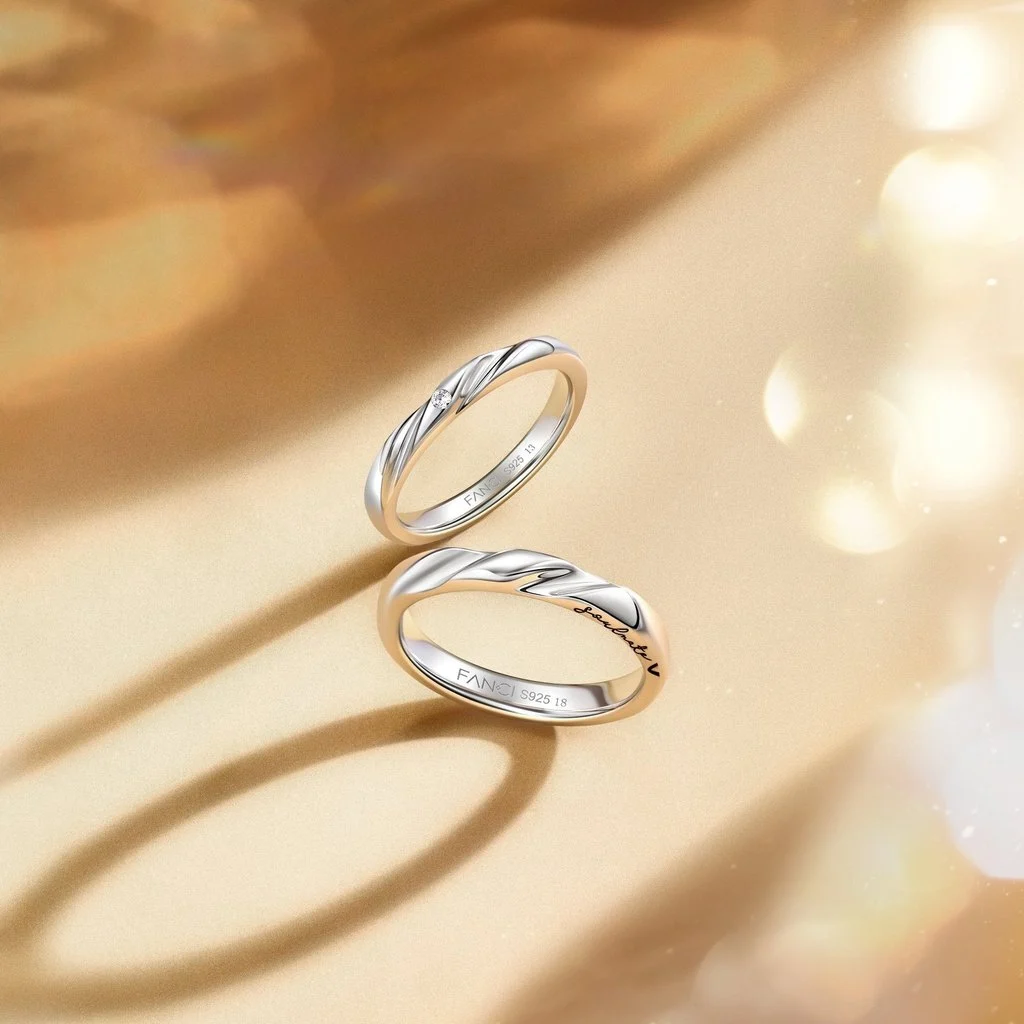
The strongest sets are the ones that grow with the wearers. Some couples add engraving at a later anniversary, others upgrade the chain or size as their preferences shift, and some pass the pieces to children when the moment feels right. FANCI and other jewelers that specialize in couples’ designs often build their sets with this longevity in mind, using classic silhouettes that do not date quickly.
If you want the sentiment to keep pace with the piece, build small rituals around it. Some couples take theirs off together at night and put them back on together in the morning. Others exchange them briefly during long trips apart, so each person carries the other’s piece home. These small habits do more for long-term attachment than any specific design choice, and they cost nothing.
When One Piece Is Lost
It happens. A clasp fails, a bag gets stolen, a piece slips off in the ocean. Rather than treating the loss as the end of the pairing, most couples find it easier to replace the missing piece with a slightly newer version of the same design, or to redesign both pieces together to mark a new chapter. The sentiment survives the object.
Beyond Couples: Other Ways People Wear Paired Pieces
Paired designs are not only for romantic partners. Best friends who met in college and now live in different cities buy sets to keep a small daily link across distance. Parents pass down half of a pair to a graduating child, keeping the other half for themselves. Siblings mark a shared loss with pieces that reference a parent’s memory. The pattern is the same in every case: a small, wearable reminder that you are not alone in your story.
For gift-givers, this widens the possibilities considerably. A paired set at a graduation, a milestone birthday, or a retirement carries a different weight than a single piece. It says the giver plans to stay in the story of the recipient’s life. That intent is often what makes the gift memorable long after the receipt has been thrown away.
Practical Tips Before You Buy
A few quick checks save disappointment later. Confirm the sizing for both wearers, especially for rings. Check the return policy in case one piece needs adjustment. Ask about engraving lead times if you plan to add initials or dates. And keep the receipts and care instructions together in one place, so future maintenance is simple.
Small Signals, Long Bonds
Paired jewelry works because it accomplishes something surprisingly hard: it makes an invisible connection visible, without turning it into a spectacle. The people who wear these pieces well tend to pick designs that fit both of their real lives, choose materials that survive whatever their days throw at them, and build small rituals that keep the meaning alive as the years pass. If you approach the purchase with the same intention you brought to the relationship, the piece will do its job for a very long time. It will sit against your skin quietly, day after day, sending a signal only the two of you fully understand, and doing exactly what a good token of connection is supposed to do.