Business travel has changed over the last few years. Remote meetings, video calls, and flexible work have become a really big part of everyday business life. But even with all of these tools available, face-to-face meetings are still really important. Companies continue to send their employees across cities and countries because these conversations lead to stronger relationships, better deals, and clearer communication overall.
Travel also gives businesses a chance to grow in ways that online meetings cannot always match. When you meet clients in person, attend industry events, or even visit new markets, you gain a much better understanding of the places, people, and opportunities that are actually out there for you. That type of experience can shape future decisions and how businesses stay competitive.
At the same time, modern business travel looks very different from what it used to be. People want to have trips that run smoothly, are flexible, and are less stressful. Companies now pay really close attention to travel planning, employee well-being, and convenience during work trips. Let’s explore this a little bit more.
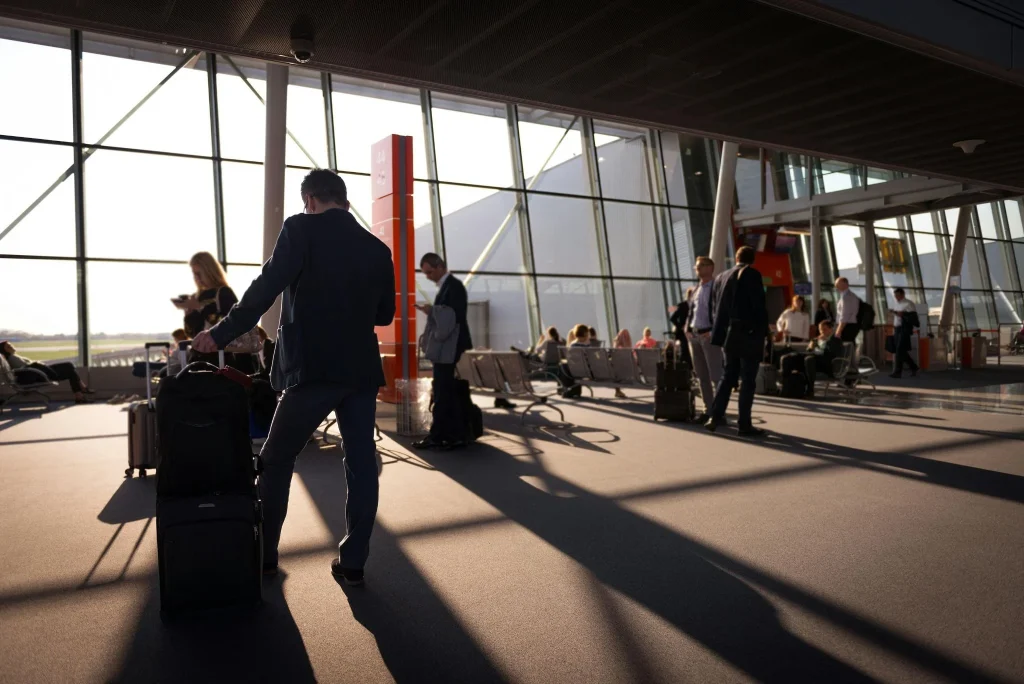
Photo by Magic K: https://www.pexels.com/photo/busy-people-on-the-airport-terminal-6726195/
The Rise of Flexible Business Travel
Traditional business travel used to follow strict schedules; employees would fly in for a meeting, stay overnight, and then return home as quickly as possible. But now, many professionals choose to combine work with leisure. Some have a longer stay in cities after they’ve had meetings, and others work remotely from different locations for short periods.
That change has created new expectations around travel services. Travelers now look for flexibility at every stage of the journey; they want easier booking systems, reliable transport options, and access to practical services that make travel a lot less complicated.
Simple things can make a huge difference when it comes to going on a work trip. Easy airport transfers, fast hotel check-ins, and access to luggage storage services can improve the whole work experience. Professionals will usually arrive in cities hours before they have any meetings or flights to catch and have to carry heavy bags around all day, and this leads to unnecessary stress. Flexible storage options mean that business travelers have more freedom to move around comfortably and make much better use of their time away.
Businesses are starting to understand that a positive travel experience leads to a more productive employee. When staff feel like they are less rushed and overwhelmed, they can focus more clearly on meetings, presentations, and networking opportunities.
Travel Builds Stronger Business Relationships
Email and video calls are useful, but they don’t usually replace in-person interaction completely. Business relationships often become much stronger when people meet face-to-face. Body language, informal conversations, and shared experiences help to build trust.
This is even more important when it comes to expanding into new markets. Understanding local culture, business etiquette, and customer expectations often requires you to have direct experience before you actually jump in. Traveling to different areas can help businesses understand different areas and make better decisions when it comes to things like digital marketing.
Trade shows and industry conferences also continue to play a huge role in business growth. These events bring together professionals from different sectors and create different opportunities such as networking, partnerships, and further learning. Many business owners still see these events as one of the best ways to generate leads and stay updated on industry changes.
Travel also encourages creativity. Working in a different environment can help people think more clearly and approach problems from a fresh perspective. A short business trip can sometimes lead to loads of different new ideas cropping up that would never have happened if you had just spent a normal day in the office.
Employee Experience Is Becoming More Important
Companies are paying more attention to how their employees feel during work trips. Business travel can be something that’s very rewarding, but it can also be extremely exhausting, especially if schedules are packed too tightly. Long flights, delayed trains, busy airports, and back-to-back meetings can have a massive impact on your employees’ energy levels. Because of this, many businesses are now focused on creating more balance when it comes to travel schedules; they allow extra recovery time, choose better accommodations, and give their employees more flexibility during their trips.
Travel policies are also changing. Instead of choosing the cheapest option every time, companies now think more carefully about convenience and comfort. Having a slightly more expensive flight, which is direct, may save loads of hours and stress, and improve productivity for the day. Technology has also improved the way that people experience travel; mobile apps now allow travelers to manage bookings, check schedules, and access digital boarding passes in seconds. Real-time updates also help to reduce confusion during delays or cancellations.
At the same time, practical services continue to shape how people experience business travel. Professionals value services that save time and reduce friction throughout the whole journey; making small improvements usually has a bigger impact than what the company might actually expect.
Conclusion
Business travel continues to play a huge role when it comes to modern companies, even though you might not expect it in a world that is filled with digital communication. Face-to-face meetings are something that still builds trust, strengthens partnerships, and creates opportunities that are very difficult to replicate just by doing it online.
But expectations around travel have definitely changed. Professionals now want to have more flexibility, convenience, and smoother experiences when they do go on business trips. Businesses that pay attention to employees’ comfort and practical travel support often see better results from work trips.
From giving them flexible schedules to services like storage, small details can now have a big impact on how the whole travel experience happens. Companies that understand these changes will be better prepared to support their employees, improve productivity, and build stronger business relationships in the future.

