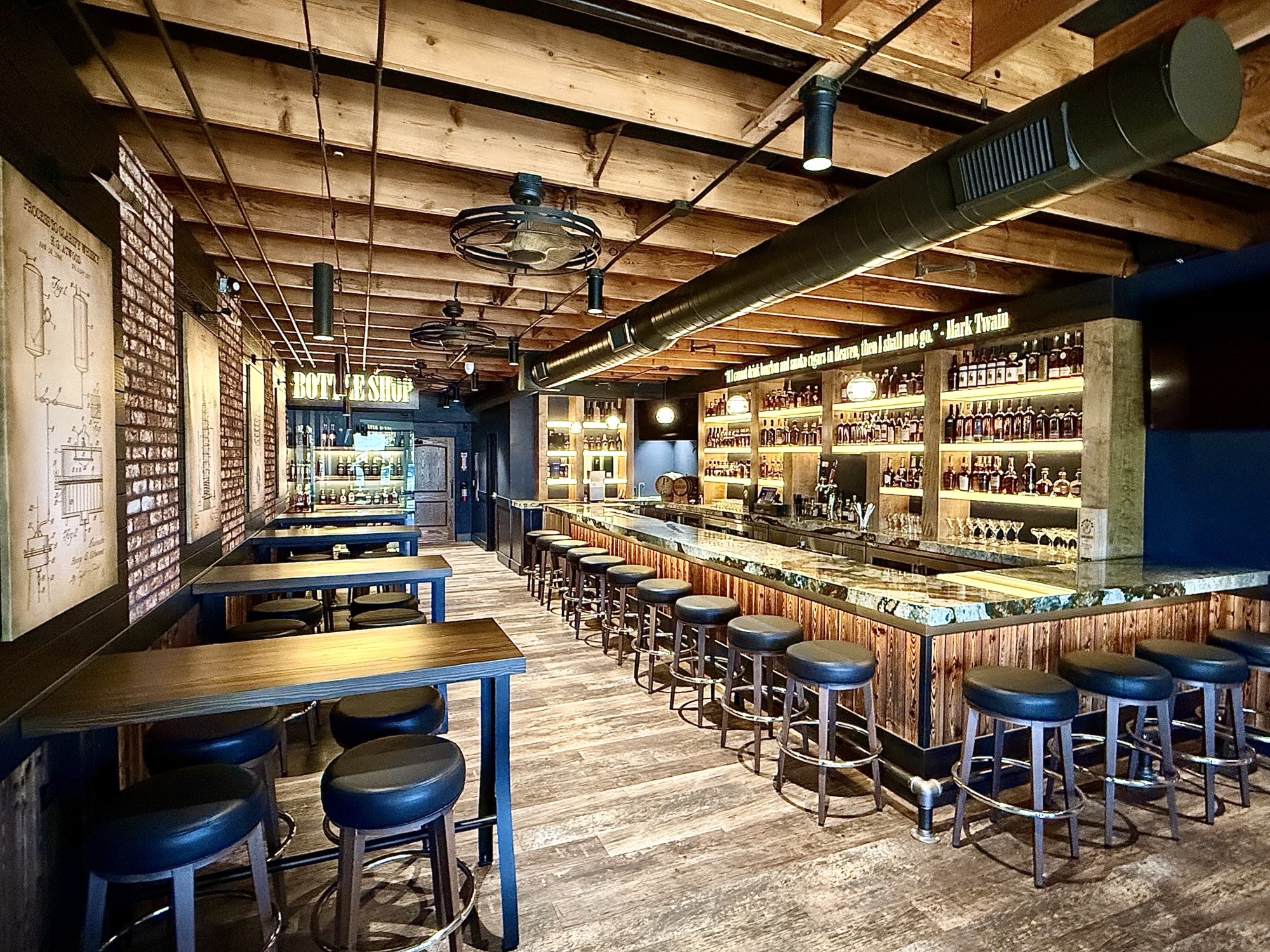
A restaurant feeds people first. A bar hosts people first. That difference changes almost every part of the business, from the layout to the menu, from the staff plan to the music, from the way customers behave to the way they spend money.
Many people enter hospitality with the same dream. They picture a busy room, a loyal local crowd, full tables, good reviews, and a business with personality. Then they start looking at restaurant costs. The kitchen needs equipment. The chef needs a team. The menu needs testing. The food needs storage, prep, plating, cleaning, and constant quality control. One bad dinner can lose a customer. One slow kitchen night can hurt a full room.
A bar has its own pressure. Alcohol licensing, security, noise, late nights, and staff training all matter. A bar is not an easy business. Still, for the right owner, it can offer more room to build a strong identity, run leaner, and create repeat visits without depending on a full dining operation. The main reason is simple. A restaurant sells a meal. A bar sells a night.
The Money Moves Differently Behind a Bar
A bar can make money from repeat ordering in a way a restaurant often cannot. A restaurant guest may order one starter, one main course, one drink, and maybe dessert. After that, the table is done. The kitchen has cooked, the server has worked, and the table must turn over to create the next sale.
A bar customer behaves differently. One person may order a beer, then another, then a shot, then a cocktail, then a snack. A group may arrive for one round and stay for three hours. The same square footage can keep producing sales without a full meal service attached to every order.
Drink margins often give bars a stronger starting point. A cocktail can carry a high markup if the recipe is controlled, the pour is measured, and the presentation fits the price. Beer and wine can also work well when the list is chosen carefully. A restaurant can make strong margins on certain dishes, but food costs are harder to control because produce, meat, seafood, dairy, and bakery items spoil quickly.
Waste hurts restaurants more often. A slow week can leave a kitchen with unused stock. A bar still has perishables, such as citrus, herbs, juices, garnishes, and some draft products, but the core inventory usually lasts longer. Spirits sit on shelves. Canned and bottled drinks are easier to count. Dry goods and bar snacks are simpler to manage than a full walk-in fridge packed with fresh ingredients.
Labor can also look different. A restaurant needs kitchen staff before the first guest arrives. Prep cooks, chefs, dishwashers, runners, and servers all depend on timing. A bar still needs trained staff, but a small bar can operate with fewer roles if the concept is focused. A strong bartender can serve, sell, entertain, and control the pace of the room.
A bar also gives the owner more choices in size. A restaurant often needs enough seats to justify kitchen costs. A bar can work in a smaller footprint if the counter, standing room, service path, and storage are planned well. The business does not need a large dining room to feel active. In some cases, a crowded bar feels better than a half-full restaurant.
This does not mean bars print money. Poor stock control, free pouring, theft, weak pricing, and bad staff training can destroy margins. A bar must track inventory closely. It must measure pours, price drinks correctly, and watch cash handling. But when the system is tight, the financial engine can be simpler than a restaurant built around a full menu.
A Bar Lets You Build a Stronger Vibe
A restaurant must keep many customers comfortable at once. A couple on a date wants one mood. A family wants another. Business guests want another. Older customers may want lower music. Younger customers may want energy. The room often needs to stay balanced because people come to eat.
A bar has more freedom. It can choose a clearer identity and push it harder. The music can be louder. The lighting can be darker. The walls can carry more attitude. The staff can dress with more character. The drinks can match the mood. The whole place can feel sharper because it does not need to please every type of diner.
Music is one of the clearest differences. In a restaurant, loud music can become a problem fast. Guests need to read menus, talk across the table, hear servers, and enjoy food without shouting. In a bar, louder music may be part of the reason people came. A bar can play harder rock, house, hip-hop, techno, punk, Latin, disco, metal, or deep funk if the concept supports it.
That freedom matters because sound shapes behavior. A quiet restaurant encourages longer meals, careful conversation, and slower service. A loud bar creates movement. People stand, order, dance, watch the room, talk to strangers, and follow the energy. The owner can use music to create a night that feels alive rather than just a service period.
Lighting gives bars another advantage. Restaurants need enough light for food to look good. Bars can use shadows, neon, candles, colored bulbs, backlit bottles, or low pools of light. A drink can look better in that setting than a plate of food would. The room can feel intimate, rough, polished, underground, vintage, sporty, or theatrical.
Furniture can also support the concept without needing formal dining comfort. A restaurant chair must work for a full meal. A bar can mix booths, high tables, standing ledges, lounge corners, and backless bar stools near the counter to keep the room casual and social. The layout can push customers toward movement instead of keeping everyone fixed in one place.
A bar can also change its mood by night. Monday can be quiet and local. Thursday can be trivia. Friday can be DJ night. Saturday can be full of energy. Sunday can be sports. A restaurant can run events too, but the meal usually remains the center. In a bar, the event can become the center, and drinks support it.
This makes branding easier. A restaurant often competes on cuisine, chef reputation, location, reviews, and price. A bar can compete on feeling. It can become the place for first dates, loud birthdays, after-work drinks, football nights, live music, late-night dancing, or quiet whiskey. A clear feeling is easier for customers to remember than a long menu.
The Menu Does Not Need to Carry the Whole Business
A restaurant lives under constant kitchen pressure. The menu must be priced correctly, cooked consistently, served hot, and updated when costs change. A missing ingredient can ruin service. A weak chef can damage the brand. A slow kitchen can upset the entire room.
A bar can serve food without letting food control the business. That is a major advantage. The owner can create a short menu that supports drinking rather than trying to become a full restaurant. Fries, sliders, wings, tacos, flatbreads, toasties, nachos, olives, nuts, charcuterie, or simple late-night plates can be enough if they match the crowd.
A short menu reduces mistakes. Staff can learn it faster. Suppliers are easier to manage. Prep takes less time. Waste drops. The kitchen can focus on items that sell often and pair well with drinks. A tight snack menu can feel more natural in a bar than a long menu filled with dishes nobody orders after 10 p.m.
A bar can also partner with food vendors instead of building a full kitchen. Some bars use food trucks, pop-up chefs, pizza partners, local bakeries, or nearby restaurants. This gives customers something to eat while keeping the bar focused on drinks and atmosphere. It also allows the bar to test food demand before investing in equipment.
Cocktails offer more room for identity than many owners expect. A restaurant menu may require expensive ingredients and skilled kitchen staff. A bar can build signature drinks around a few base spirits, house syrups, bitters, fresh citrus, seasonal fruit, and smart presentation. The drink list can tell a story without needing twenty dishes.
Beer can do the same. A bar can specialize in local craft beer, cheap cold lagers, Belgian bottles, stouts, natural wine, cider, agave spirits, or low-alcohol drinks. Each direction attracts a different crowd. A restaurant wine list may support food. A bar drink list can be the main attraction.
Speed also matters. A kitchen order takes time. A drink order can be made quickly if the station is planned well. Faster service means more sales during peak hours. The bar layout, ice access, glassware, garnish setup, taps, POS placement, and backbar organization all affect revenue. A restaurant kitchen has similar concerns, but the number of steps between order and delivery is often higher.
A bar menu can also change faster. If a cocktail does not sell, remove it. If a beer line performs badly, replace it. If customers keep asking for a specific spirit, stock it. A restaurant cannot always change dishes so easily because each dish affects prep, purchasing, storage, training, and kitchen flow.
The best bar menus are not random. They are small, clear, profitable, and matched to the crowd. A dive bar should not pretend to be a fine dining room. A cocktail bar should not serve frozen food that smells bad in the room. A sports bar needs food that groups can share without slowing service. A music bar needs items that people can eat without sitting for an hour.
A restaurant asks, “What do people want to eat?” A bar asks, “What helps people stay, order, talk, and come back?” That second question can lead to a simpler operation.
Bars Build Habits, Not Just Meals
Restaurants often depend on occasions. People visit for birthdays, dates, family dinners, business lunches, or weekend meals. If the food is good, they may return. But many customers rotate restaurants because they want variety.
Bars can become habits. A person may visit the same bar every Friday after work. A group may meet there before every game. A local may stop in twice a week because the bartender knows their drink. A couple may choose the same corner table because it feels like theirs.
Habit is powerful in hospitality. A regular customer does not need to be convinced every time. They already know the route, the staff, the price range, the crowd, and the feeling. They may bring friends. They may defend the place when someone complains. They may spend more over a year than a table that visits once for dinner.
Bartenders can become central to this loyalty. In a restaurant, guests may remember the chef or the server, but the relationship is often brief. In a bar, the bartender stands in front of the customer for longer. They notice routines. They learn names. They remember drinks. They help set the tone.
A bar can also serve several social needs at once. It can be a place to celebrate, flirt, watch sport, listen to music, escape work, meet friends, sit alone, or start the night. A restaurant usually has a narrower purpose. People go there to eat. The social part matters, but the meal sets the frame.
This makes bars useful to different groups. Office workers need somewhere after 5 p.m. Students need low-cost nights. Sports fans need screens and noise. Music fans need sound and identity. Locals need a familiar place. Tourists need somewhere that feels like the city after dark.
A bar can become part of the neighborhood’s rhythm. People know when it is quiet. They know when it is packed. They know which nights are theirs. A restaurant can also become local, but the bar’s routine can be stronger because it does not require the commitment of a full meal.
Price points help. A person may not want to spend on dinner twice a week, but they may stop for one drink. That small entry point matters. Once inside, they may order more. They may bring someone next time. A restaurant has a higher psychological barrier because eating out usually feels like a planned expense.
A bar also has better group elasticity. If six people plan dinner, they need a booking, a time, a menu everyone likes, and enough seats. If six people meet at a bar, two can arrive early, three can join later, one can leave, and the night still works. That looser structure creates more spontaneous visits.
This is why many bars become part of memory. People remember where they met a friend, watched a final, heard a local band, had a hard conversation, or stayed too late. Restaurants create memories too, but bars often attach themselves to life stages and routines in a different way.
Marketing a Bar Has More Movement
A restaurant can market food. A bar can market energy. That gives a bar more content options and more reasons to talk to customers each week.
Food photos can work, but they get repetitive. A restaurant posts the burger, the pasta, the dessert, the table, the chef, the special. A bar can post the bartender shaking a drink, the DJ setting up, the crowd singing, the match schedule, the new beer tap, the birthday group, the neon sign, the quiet early evening, the packed late night, the guest bartender, or the next event.
Events give bars a steady marketing calendar. Trivia night, vinyl night, karaoke, open mic, live jazz, comedy, singles night, student night, industry night, quiz league, drag show, tasting session, fight night, football screening, or local band night can each create a reason to post. The bar is not only saying, “Come buy a drink.” It is saying, “Come on this night for this reason.”
Short video suit bars well. People understand a bar through sound and motion. A five-second clip of the room can say more than a long caption. A bartender pouring a drink, a chorus from a live band, a crowd reaction during a goal, or a quick look at the lighting can carry the mood.
Local search also works differently. A restaurant may fight for “best Italian,” “best brunch,” or “best burger.” A bar can rank and attract searches around “sports bar near me,” “cocktail bar,” “live music tonight,” “happy hour,” “karaoke,” “late night drinks,” or “bar with DJ.” These searches often come from people ready to go out soon.
Social proof can grow fast when customers share the night themselves. People take photos in bars because they are out with friends. They record music, drinks, birthdays, outfits, and moments. A restaurant guest may photograph food, but a bar guest often photographs the whole night. That gives the business more unpaid visibility.
Bars can also use partnerships well. A bar can work with local breweries, DJs, artists, sports clubs, student groups, tattoo studios, record shops, comedy hosts, food trucks, or event promoters. Each partner brings a small audience. A restaurant can partner too, but a bar’s event structure makes collaboration easier to repeat.
Promotions need care. Cheap drinks can attract the wrong crowd if used badly. A bar should not train customers to come only for discounts. Still, a smart happy hour, early-week special, tasting flight, birthday offer, or members’ night can fill weak hours without damaging the brand.
A strong bar brand also travels by word of mouth. People rarely say, “You must see the lighting in that restaurant,” unless it is unusual. They often say, “That bar is fun on Fridays,” “The music is heavier there,” “The bartender knows everyone,” or “That place gets wild after midnight.” Those simple comments move people.
Marketing a bar is not about pretending every night is packed. It is about giving each night a reason to exist. A restaurant may need to sell consistency. A bar can sell rhythm.
A Bar Can Change Shape Without Losing Itself
A restaurant has a harder time changing its format. If people know it as a dinner place, they expect the same food, service, and timing. If the restaurant suddenly becomes loud, club-like, or event-heavy, regular diners may feel pushed out.
A bar can shift more naturally. The same room can hold different moods during the week. Early evenings can be calm. Late night can be loud. A weekday can serve locals. A weekend can pull groups. A match night can fill the room with fans. A DJ night can clear space for dancing.
This range helps the owner respond to demand. If Tuesday is slow, try a quiz. If Sunday afternoons are empty, show sport. If summer arrives, open the patio. If winter slows foot traffic, build a whiskey night or hot drink menu. If the neighborhood changes, test new music or events.
A bar can also change its customer mix by time. Restaurants often separate lunch and dinner. Bars can create sharper time zones. After-work drinks from 5 to 7. Dates from 7 to 9. Groups from 9 to 11. Late-night crowd after 11. Each period may need different music, lighting, staffing, and offers.
Private events can fit more easily too. A bar can host birthdays, leaving parties, small company nights, album launches, tastings, and meetups. The owner can section off part of the room or book a quieter night. A restaurant must think harder about table service, food timing, and kitchen capacity.
Seasonal changes can also be simpler. A restaurant may need a new menu for each season. A bar can adjust drinks, music, events, opening hours, and outdoor seating. In warm months, spritzes, cold beer, frozen drinks, and lighter snacks may lead. In colder months, stout, whiskey, mulled drinks, darker lighting, and indoor events may take over.
This ability to shift does not mean the brand should be messy. A bar still needs a clear core. A punk bar should not become a luxury champagne lounge on Tuesdays unless the contrast is intentional. A sports bar should not book quiet poetry nights during major games. Change works when it fits the main identity.
The best bars know what they are and then create variations inside that frame. A rock bar can host acoustic night, vinyl night, and heavy DJ night. A cocktail bar can host tasting classes, guest bartenders, and low-light date nights. A neighborhood pub can host quiz nights, football, Sunday roasts, and local fundraisers.
A restaurant often protects its concept by staying consistent. A bar protects its concept by keeping the same soul while changing the night.
The Risks Are Real, But They Are Different
Opening a bar instead of a restaurant does not remove difficulty. It changes the type of difficulty. Anyone considering a bar must understand the harder parts before signing a lease.
Alcohol licensing comes first. Rules vary by country, state, city, and district. An owner may need permits for alcohol sales, late hours, outdoor seating, live music, recorded music, food service, signs, fire safety, and occupancy. Some areas restrict new licenses. Some require public notices. Some involve hearings or neighbor objections.
Noise can become a serious issue. Bars create sound from music, crowds, doors opening, outdoor smokers, taxis, rideshares, bottle disposal, and closing time. A restaurant may receive noise complaints too, but bars are more exposed. Good soundproofing, door control, staff training, and neighbor communication matter from day one.
Security needs planning. Alcohol changes behavior. Staff must know when to stop serving. Door staff may be needed. Fights, harassment, fake IDs, intoxication, and unsafe customers must be handled quickly. A bar owner carries responsibility for the room, not only for the drinks.
Late hours also affect the owner’s life. A restaurant may close after dinner. A bar may run deep into the night. Cleaning, cash-up, restocking, staff rides home, incident reports, and next-day prep happen after customers leave. The business can drain owners who are not ready for nightlife hours.
Staff quality is another major factor. A bartender must do more than pour. They must sell, move fast, read people, handle pressure, protect the license, and keep control without killing the mood. A weak bartender can lose money through overpouring, free drinks, slow service, or poor customer handling.
A bar also depends heavily on location. The best concept can struggle in the wrong street. Foot traffic, transport, nearby offices, student housing, theaters, stadiums, hotels, and other nightlife venues all affect trade. A restaurant can sometimes become a destination for food. A bar usually needs to fit the movement of the area.
Insurance and compliance can cost more than expected. Fire safety, liability coverage, food hygiene, employee training, music rights, outdoor permissions, and accessibility all need attention. Ignoring these details can close a bar faster than a bad review.
Still, restaurants carry their own risks. Food waste, chef turnover, kitchen equipment repairs, health inspections, menu fatigue, delivery platform fees, and high labor costs can create constant pressure. A bar is not safer by default. It is better for owners who understand people, atmosphere, drinks, events, and late-night operations.
The right question is not, “Is a bar easier?” The better question is, “Which pressure can I manage better?” If you know food, chefs, sourcing, plating, and dining service, a restaurant may fit you. If you know music, crowds, drinks, neighborhood rhythm, and social energy, a bar may be the stronger move.
A Bar Owns the Night
A restaurant plays an important role in hospitality. People need places to eat well, celebrate, meet, and slow down. But a bar offers something different. It gives an owner the chance to shape the night itself.
A bar can be louder. It can be darker. It can move faster. It can host strangers, regulars, groups, dates, fans, dancers, and people who only planned to stay for one drink. It can change from quiet to wild in the same evening. It can make music part of the product. It can build loyalty around mood rather than only food.
A bar can also run with a sharper menu, tighter stock, and more repeat ordering if the owner controls the details. It can use events to bring people in on slow nights. It can turn bartenders into familiar faces. It can become a place people name when they ask, “Where should we go?”
The choice depends on the owner’s nature. A restaurant owner must care deeply about food systems. A bar owner must care deeply about human behavior. They must know when to raise the music and when to lower it. They must know which customers create the room and which customers damage it. They must understand that a bar is not just bottles, taps, and chairs. It is timing, mood, memory, and control.
For many hospitality entrepreneurs, that is the appeal. A restaurant serves dinner. A bar can become the reason the evening happened.

