

Many English learners ask the same question: do or does — which one is correct?
You may have wondered:
- When to use do or does?
- Is do or does plural?
- He do or does?
- Everyone do or does?
- Do or does in a question?
These two small words create big confusion. The reason is simple. Both words come from the same verb: to do. But we use them with different subjects.
The good news? The do or does grammar rule is very easy once you understand it clearly. In this complete guide, you will learn:
- The meaning of do and does
- The difference between do or does
- When to use do or does
- Do and does examples
- Do, does, did rules with examples
- Common mistakes and how to avoid them
- Practice do or does exercises
Everything is explained in simple English. Even a class 4 student can understand it. Let’s begin!
What Does Each Word Mean?
Both do and does mean the same thing.
They mean:
- To perform an action
- To complete work
- To carry out a task
They are verbs (action words).
The only difference between do or does is the subject (who is doing the action).
What Does “Do” Mean?
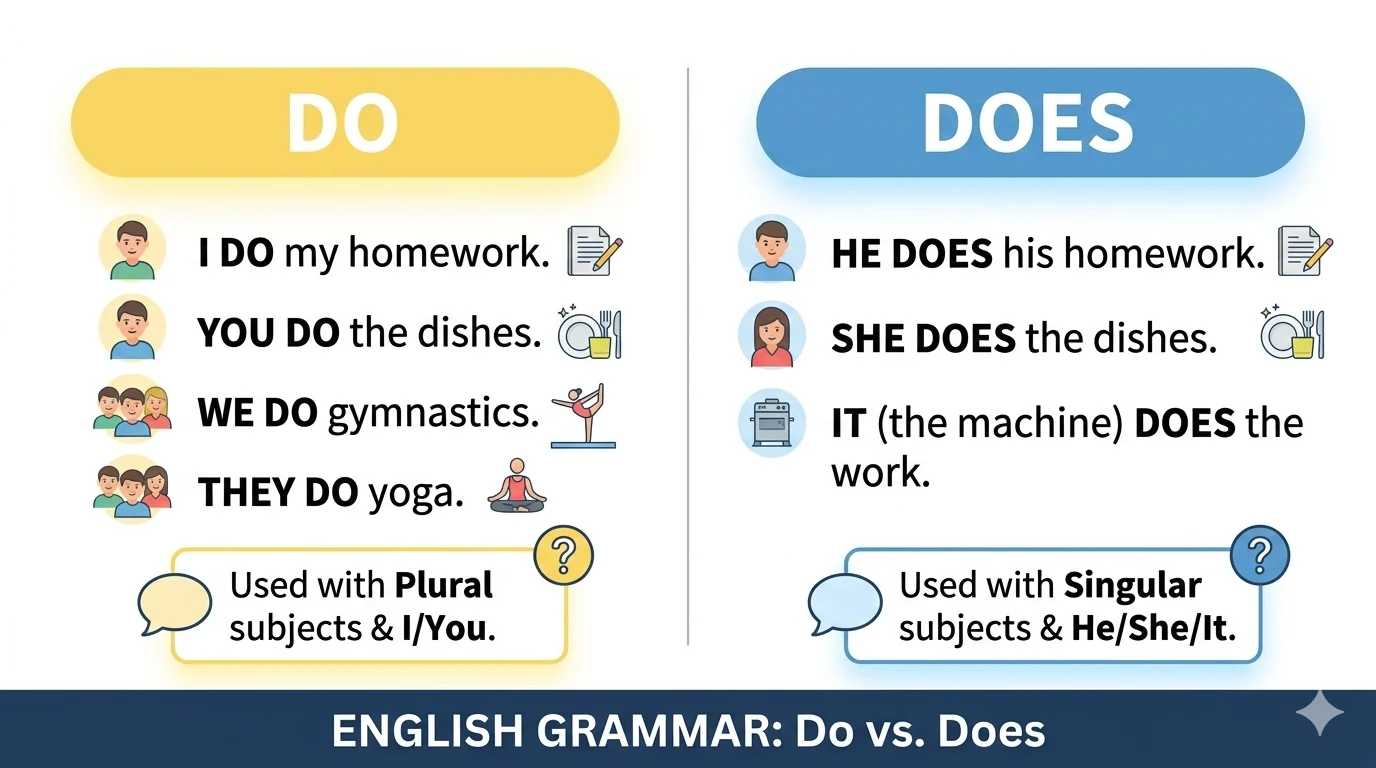
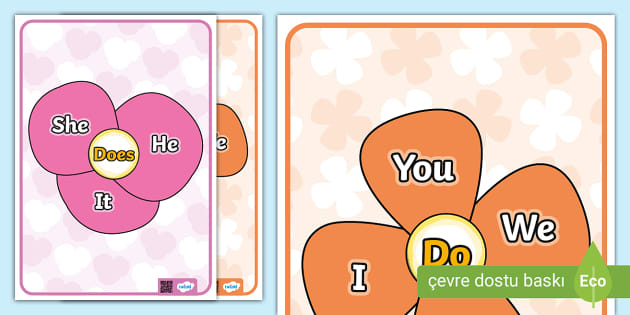
We use do with:
- I
- You
- We
- They
- Plural nouns (parents, teachers, students, friends)
If someone asks:
Do you use do or does for plural?
The answer is simple:
✔ Use do for plural subjects.
Do and Does Examples (Using “Do”)
- I do my homework every day.
- You do your work neatly.
- We do our chores on Sunday.
- They do their best.
- My parents do exercise daily.
If you are thinking:
We do or does?
✔ We do
What Does “Does” Mean?
We use does with:
- He
- She
- It
- A singular noun (my brother, the dog, the teacher)
- Everyone
- Anybody
- Somebody
If you ask:
Is do or does singular or plural?
Here is the answer:
- Does = singular
- Do = plural (and I/you)
Do and Does Examples (Using “Does”)
- He does his homework.
- She does yoga every morning.
- It does look nice.
- My sister does painting.
- The dog does tricks.
If you ask:
He do or does?
✔ He does
If you ask:
It do or does?
✔ It does
The Key Difference Between Do or Does
Let’s clearly understand the difference between do and does in this simple table:
| Subject | Do | Does |
|---|---|---|
| I | ✔ | ❌ |
| You | ✔ | ❌ |
| We | ✔ | ❌ |
| They | ✔ | ❌ |
| He | ❌ | ✔ |
| She | ❌ | ✔ |
| It | ❌ | ✔ |
| Singular noun | ❌ | ✔ |
| Plural noun | ✔ | ❌ |
Quick Memory Trick
Look at the word does.
It ends with ES.
We use ES for:
- He
- She
- It
So remember:
One person → DOES
More than one → DO
Very simple!
When to Use Do or Does in Questions
This is where students feel confused.
Structure:
Do/Does + subject + base verb?
Examples:
- Do you like mangoes?
- Do they play cricket?
- Does he study hard?
- Does she cook well?
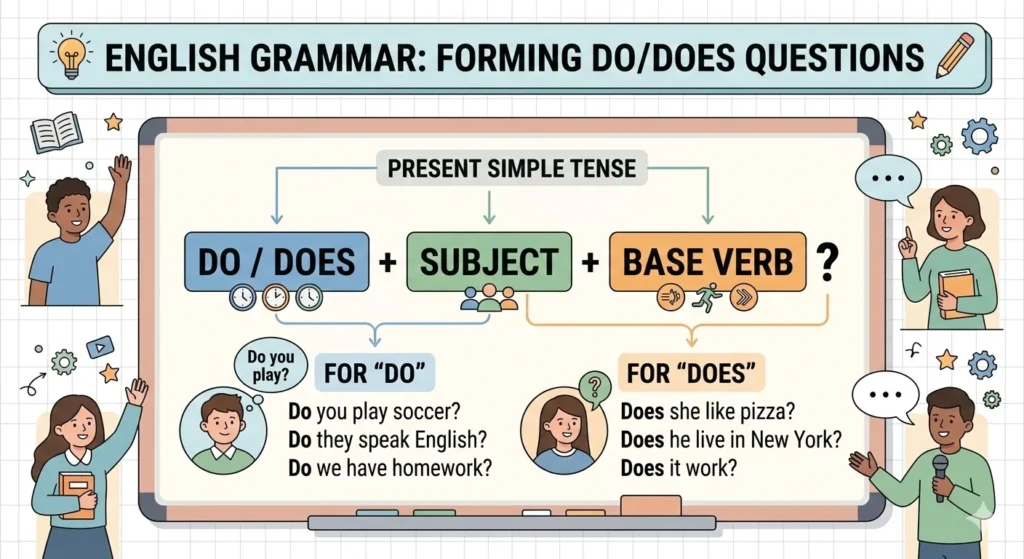
Notice something important:
After does, the main verb does NOT change.
Correct:
✔ Does she like pizza?
Wrong:
❌ Does she likes pizza?
This is an important do and does grammar rule.
Do or Does in a Question – Special Cases
Many students search:
- Do or does anyone
- Anyone do or does
- Everybody do or does
- People do or does
Let’s make it clear.
People do or does?
People = plural
✔ People do
Everyone do or does?
Everyone = singular
✔ Everyone does
Anybody / Anyone?
Singular
✔ Anyone does
Example:
Does anyone know the answer?
Do, Does, Did Rules with Examples
Now let’s understand Do, does, did rules clearly.
| Tense | Subject | Verb |
|---|---|---|
| Present | I/You/We/They | do |
| Present | He/She/It | does |
| Past | All subjects | did |
Examples:
Present:
- I do my work.
- She does her work.
Past:
- I did my work.
- She did her work.
Simple rule:
Past tense = always did
When to Use “Do” (Detailed Section)
Use do when:
- The subject is plural
- The subject is I, you, we, they
- Making questions with plural subjects
- Making negative sentences (I/you/we/they)
Daily Life Examples
- Do your parents live here?
- Do they understand the lesson?
- Do we have homework today?
- Do I need a pen?
- Do students wear uniforms?
If someone asks:
Does or do for parents?
Parents = plural
✔ Do your parents work?
When to Use “Does” (Detailed Section)
Use does when:
- The subject is singular (he, she, it)
- Making questions with singular subjects
- Talking about habits
Examples:
- Does your sister like tea?
- Does he play football?
- Does it rain here?
- Does the teacher explain clearly?
- Does the dog bark loudly?
If you are unsure and think:
Is it do or does?
Check the subject first.
Negative Sentences (Very Important)
Now let’s learn negative forms.
With “Do”
I do not like tea.
You do not understand.
They do not play.
Short form:
- Don’t
Example:
I don’t like tea.
With “Does”
He does not like tea.
She does not understand.
It does not work.
Short form:
- Doesn’t
Example:
She doesn’t like coffee.
Remember:
After does not, use base verb.
✔ He does not play.
❌ He does not plays.
Short Answers in English
In conversations, we use short answers.
Examples:
Do you like pizza?
✔ Yes, I do.
✔ No, I don’t.
Does he play cricket?
✔ Yes, he does.
✔ No, he doesn’t.
Never say:
❌ Yes, he do.
Emphasis Using “Do” and “Does”
Sometimes we use do or does for strong feeling.
Example:
I do like chocolate!
She does care about you!
This adds emotion.
Common Mistakes and How to Avoid Them
❌ Mistake 1:
He do his homework.
✔ Correct:
He does his homework.
❌ Mistake 2:
Everyone do their best.
✔ Correct:
Everyone does their best.
❌ Mistake 3:
Does she likes pizza?
✔ Correct:
Does she like pizza?
❌ Mistake 4:
Do your sister live here?
✔ Correct:
Does your sister live here?
Real-Life Conversation Examples
At School:
Teacher: Does everyone understand?
Students: Yes, we do!
At Home:
Mother: Do you clean your room?
Child: Yes, I do.
At Office:
Boss: Does he finish work on time?
Employee: Yes, he does.
Do or Does Exercises (Practice Section)
Fill in the blanks:
- _____ she play piano?
- _____ they live nearby?
- Everyone _____ their homework.
- _____ your parents work here?
- He _____ not agree.
- _____ we need help?
- Anybody _____ know the answer?
- People _____ make mistakes.
- It _____ not matter.
- _____ your brother play football?
Answers:
- Does
- Do
- does
- Do
- does
- Do
- does
- do
- does
- Does
Quick Recap: Do or Does
- Do = I, you, we, they, plural nouns
- Does = he, she, it, singular nouns
- Everyone/anyone = does
- People/parents = do
- After does → base verb
- Past tense → did
Frequently Asked Questions (FAQs)
1. When do you use do or does?
Use “do” with I, you, we, they. Use “does” with he, she, it.
2. Do you use do or does for plural?
Use “do” for plural subjects.
3. Is do or does singular or plural?
Does is singular. Do is plural (and also used with I/you).
4. Do we say “I do” or “I does”?
Correct form: I do.
5. Does your sister or do your sister?
Correct sentence: Does your sister like tea?
Conclusion
Now you clearly understand the difference between do or does. You know when to use do or does, how singular and plural subjects work, and how to form questions and negative sentences correctly. You also practiced with exercises and real-life examples.
Just remember this easy rule:
He, she, it → DOES
I, you, we, they → DO
Keep practicing every day. English grammar becomes easier step by step. Small improvements like learning do or does correctly can make your speaking and writing much better.
You are improving your English every day — and that is something to feel proud of!

Scottish novelist Muriel Spark (1918–2006) crafted sharp, witty stories exploring human nature, morality, and society with dark humor and insight.