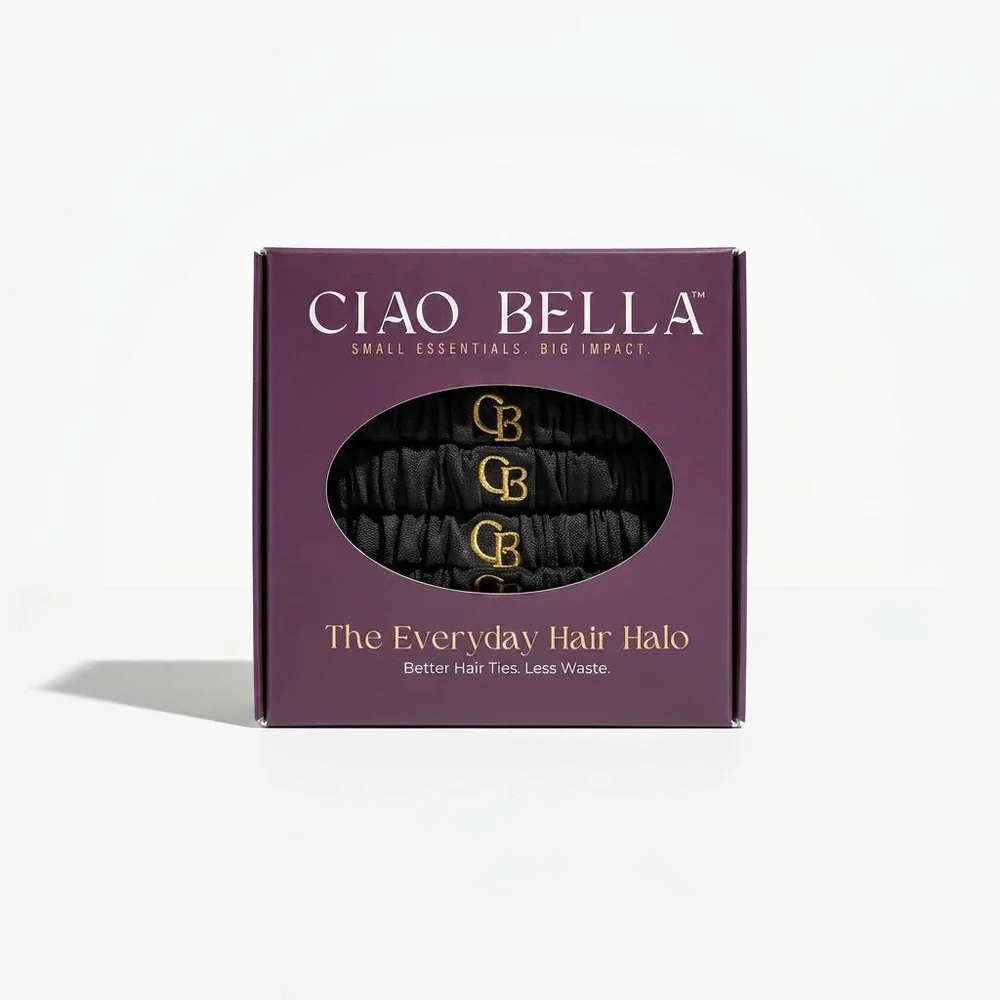
Daily routines often hide quiet environmental costs that you rarely stop to consider. A morning braid or quick ponytail seems harmless, yet the small tools used can carry a surprising carbon footprint when produced and tossed by the billions. Many conscious buyers now want easy swaps that reduce that load without forcing them to rethink their entire mornings.
That shift in awareness has reshaped how people think about even the smallest beauty accessories. Plastic-free, plant-based hair ties now offer real benefits like reduced breakage and longer everyday hold without leaving visible creases. Shoppers no longer have to choose between strong hold and lower waste, which makes upgrading this single habit feel both practical and rewarding for hair health and the planet.
When Daily Choices Quietly Shape the Planet
Small Items, Heavy Impact: The volume of disposable beauty accessories sold each year creates waste that lingers far past their useful life. A surprising share of cheap elastics rely on petroleum-based plastics that fracture into smaller particles over time. When tossed, those fragments sit in landfills or drift into waterways, feeding a problem far bigger than their tiny size first suggests.
Hidden Trade-Offs In Common Hair Tools: Many shoppers grab a bulk pack at the drugstore without realizing what holds those colorful elastics together. Coated polyester layers wrap around synthetic fibers, while metal crimps lock everything in place. The result looks cheerful on the shelf, but each tie you toss carries a quiet cost in materials that the planet simply cannot break down.
Beauty’s Quiet Plastic Problem: Beauty drawers stay filled with items shaped from synthetic blends that resist breaking down. Newer reports on microplastic pollution show that common textiles shed fibers into water systems through normal washing and use. That includes coated polyester hair ties, which release particles whenever they stretch, snap, or wear out from regular daily tension placed on them.
Style Without the Aftertaste of Waste
Function That Treats Hair Kindly: A growing wave of accessories uses natural fibers blended with gentle cores to hold your styles without tugging at strands. These pieces sit closer against skin without leaving deep dents, which means less stress on hair and a softer release at the end of a long day. Comfort and performance finally share the same accessory.
Materials With A Second Life: The principles behind a circular economy guide many newer brands to source from waste streams instead of fresh raw inputs. Pineapple harvest leftovers and cotton trims pair with natural rubber to tap into materials already in motion. That approach keeps useful inputs flowing longer and avoids feeding into more extraction or single-use production cycles inside the beauty space.
Transparency That Earns Trust: Shopper transparency now plays a bigger role for people who read labels before buying anything. Many readers want clear answers about what touches their hair every day, especially when those small tools come from far-reaching supply chains. Brands that share their inputs through visible eco-friendly materials build trust faster than ones leaning on vague green claims.
Beauty shoppers looking for everyday alternatives weigh several factors at once. The list below outlines the qualities that matter most when choosing accessories built for both style and lower waste:
- Plastic-free construction that avoids synthetic elastic, coated polyester finishes, and metal crimps in the band itself.
- Gentle hold that prevents creases, dents, and visible pressure marks left behind by tight standard elastics.
- Durable design built for workouts, all-day wear, and varied hair textures from very fine to thick curly.
- Production rooted in upcycled inputs that reduce demand for new raw materials and lessen pressure on landfills.
- Transparent sourcing that traces fibers back to known agricultural origins instead of vague global supply chains.
Why Plant-Based Hair Care Is Catching On
Kinder Tools For Healthier Strands: Switching to plant-based materials brings clear payoffs for hair that gets pulled back often. Softer fibers grip without snagging, which protects ends from the small tears that conventional ties can cause. Over months of consistent use, gentler accessories help shoppers stretch the time between trims while keeping looks polished and comfortable from morning to evening.
Smart Use Of Farm Leftovers: Sourcing fibers from agricultural byproducts turns surplus into something useful for daily routines that people repeat each morning. Pineapple leaves once burned or composted are now spun into fabric that performs across very different hair types. The result feels light, breathable, and stable, which means a single accessory can hold thick curls or fine strands without breaking apart.
Built For The Pace Of Real Life: These accessories fit easily into busy schedules, from morning gym sessions to long workdays. A single tie made from sustainable textiles can stay in rotation for many months when paired with simple care, which trims down both spending and waste. Routines built around longer-lasting tools quietly outperform habits anchored on cheap items that snap within weeks.
A Quieter Kind of Beauty Is Taking Hold
The movement toward gentler, plant-friendly accessories shows that small swaps can add up to meaningful change without forcing anyone to overhaul their full routine. You gain better-performing tools, hair stays healthier, and waste streams shrink quietly in the background. Make the switch today and let everyday styling become part of a calmer, lower-waste lifestyle that finally feels right.

