When Aging Adults Hit Declining Health: What Actually Works
Health shifts. That’s part of getting older — but knowing it doesn’t cushion the blow when it lands. Stamina craters. Words vanish mid-sentence. A job that once took minutes now drains half a morning. And yet none of that automatically means losing what matters most. Real, practical moves exist — ones that let you stay ahead of decline rather than getting buried by it. Act early, and more options stay within reach.
Get a Doctor Involved — Now, Not Later
Something feels off? Book the appointment. Don’t sit on it. Your primary care physician can dig into what’s actually driving the changes — whether that points toward treatment, lifestyle adjustments, or both. When you go in, be precise. Pin down the timeline. Has this been building for weeks or months? Does it flare and fade, or grind on without relief? Specific, concrete detail changes what a clinician sees. Here’s what surprises a lot of people: some changes that look like unavoidable aging actually have treatable causes underneath. Worth finding out. Specialist referrals may follow, and routine checkups let the team catch problems before they pile on each other. More lead time almost always means more options.
Take a Hard Look at Your Living Situation
Honestly — can your current setup keep pace with where your needs are heading? Household tasks, meal prep, handling an emergency at 2 a.m. Think about who’s realistically in your corner. Family? Nearby friends? A neighbor who actually checks in? Some people do well staying home with the right modifications and outside support. Others find a community setting delivers better care and genuine connection. Either way, evaluating early means you’re making a deliberate choice — not scrambling after a fall forces your hand.
Make the Home Safer Before Something Goes Wrong
Even when staying put feels right, the space itself may need work. Grab bars in the bathroom. Better lighting on the stairs. Rugs secured or pulled up entirely. Nothing dramatic — but falls are serious, and these things prevent them. Ramps, stairlifts, or ADA-compliant modifications might cut daily strain too. Keep frequently used items at waist height; no unnecessary reaching, no bending. Clutter goes. Most of these fixes cost less than people expect and can roll out gradually as needs shift. A safer environment helps everyone in the household — not just the person managing health changes.
Consider What Senior Living Communities Actually Offer
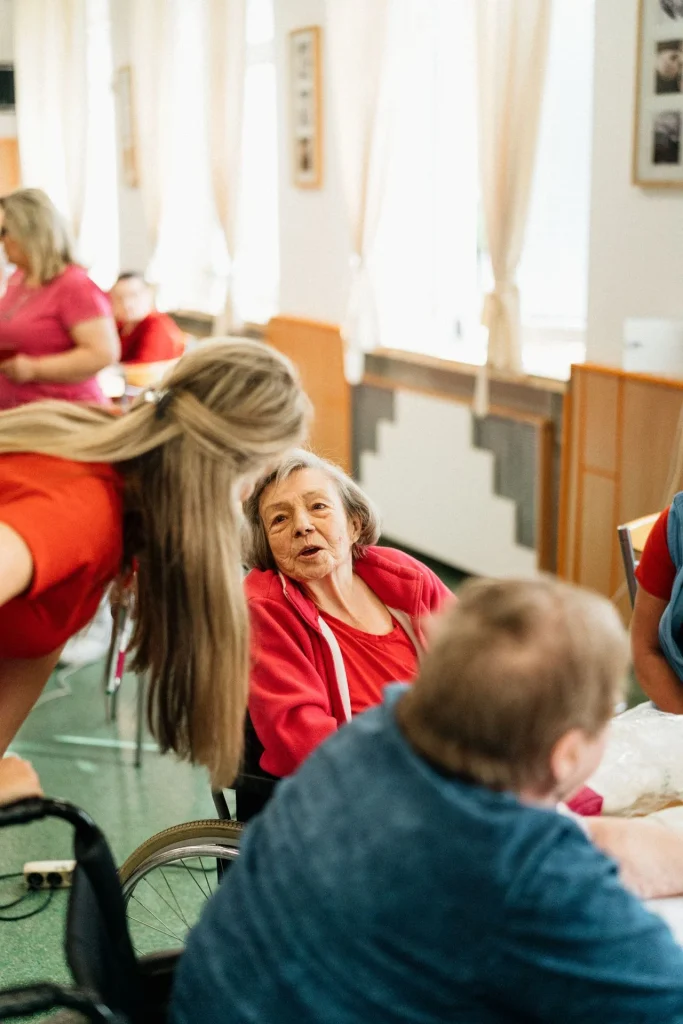
For a lot of aging adults, senior living hits a useful middle ground — real independence alongside genuine support. Private apartments or suites. Individualized care services. Programming that keeps daily life purposeful rather than hollow. Care partners handle the heavy lifting: meals, medications, personal care. That frees residents to focus on what they actually want to do. Families researching options in the Chicago suburbs will find that Assisted Living in Hoffman Estates provides residents with on-site support, private apartment homes, and a welcoming community environment suited to a range of care needs. Household maintenance, emergency response, isolation — far less pressing once the right support structure clicks into place. And the social dimension is easy to underestimate. Neighbors. Shared meals. Programs built around human connection. These things move the needle on mental and physical health in ways that are real, even if they resist easy measurement.
Keep Moving — and Keep Your Mind Working
Stay physically active within whatever your current condition allows. Ask your doctor or a physical therapist what’s actually appropriate for you. Walking, gentle stretching, water-based exercise — these build strength and balance without hammering your joints. Small, consistent effort beats sporadic intensity. Every time. Mental engagement matters just as much. Reading, puzzles, learning something unfamiliar, staying in real contact with people you care about. All of it compounds. Many senior communities offer programming built specifically around purposeful activity. Even modest daily effort stacks into something meaningful over time.
Build Your Support Network Before You Desperately Need It
Declining health is heavier when you carry it alone. Strengthen the relationships already in your life — family, close friends — and be direct when you need help. Don’t make people guess. Support groups tied to your specific health concerns can be surprisingly valuable; there’s something genuinely different about talking with people who’ve actually lived it. No family nearby? Community programs, volunteer organizations, and faith-based groups often fill that gap well. A solid network doesn’t eliminate the hard parts. But it changes how those hard parts feel — and the time to build it is now, not after a crisis makes the need urgent.
Conclusion
Declining health doesn’t erase independence or quality of life. It changes them — and that’s not the same thing. Getting medical guidance, honestly evaluating your living situation, making your environment safer, exploring communities with real support structures, staying physically and mentally engaged, investing in your relationships: together, these moves carve out a forward path that respects both your dignity and your shifting needs. Everyone’s situation is different. The best approach is the one that fits yours. Act while room still exists to choose thoughtfully — rather than waiting until a crisis decides everything for you.

