Search for a home therapy device today and you will drown in claims. Every brand promises clinical wavelengths, medical-grade output, and results that sound almost too neat. The pictures look identical. The spec sheets read like copies of each other. Somewhere in that noise sits a device that will genuinely fit your goals, and somewhere sits a device that will disappoint you. Telling them apart is not obvious from a product page alone.
This guide walks through what actually separates the strongest options from the merely available ones. Not marketing language, but the underlying factors that shape whether you feel a difference in six weeks or wonder why you spent the money. Whether you are shopping for skin work, joint comfort, recovery after training, or a general sense of vitality, the questions below will help you cut through the sameness and pick a setup that earns its shelf space.
The Specs That Quietly Decide Whether Therapy Works
Wavelength ranges are the first place to look, and they are where many shoppers get lost. Two numbers matter most: red light in the roughly 630 to 660 nanometer band, and near-infrared in the 810 to 850 nanometer band. Red works closer to the surface, which is why it dominates conversations about skin. Near-infrared penetrates deeper, reaching muscle and connective tissue. The best red light therapy options usually offer both, either through dual-mode panels or through a lineup where you can pick a device tuned to your priority.
Irradiance — how much light energy reaches your body per second per square centimeter — is the next big factor. Cheap devices often quote a headline number measured at the surface of the panel itself, which is not where you sit. What matters is irradiance at a realistic treatment distance, roughly six inches away. When brands publish a distance chart, that is a good sign of transparency. When they only publish a single peak number and hide the drop-off, treat the spec sheet skeptically.
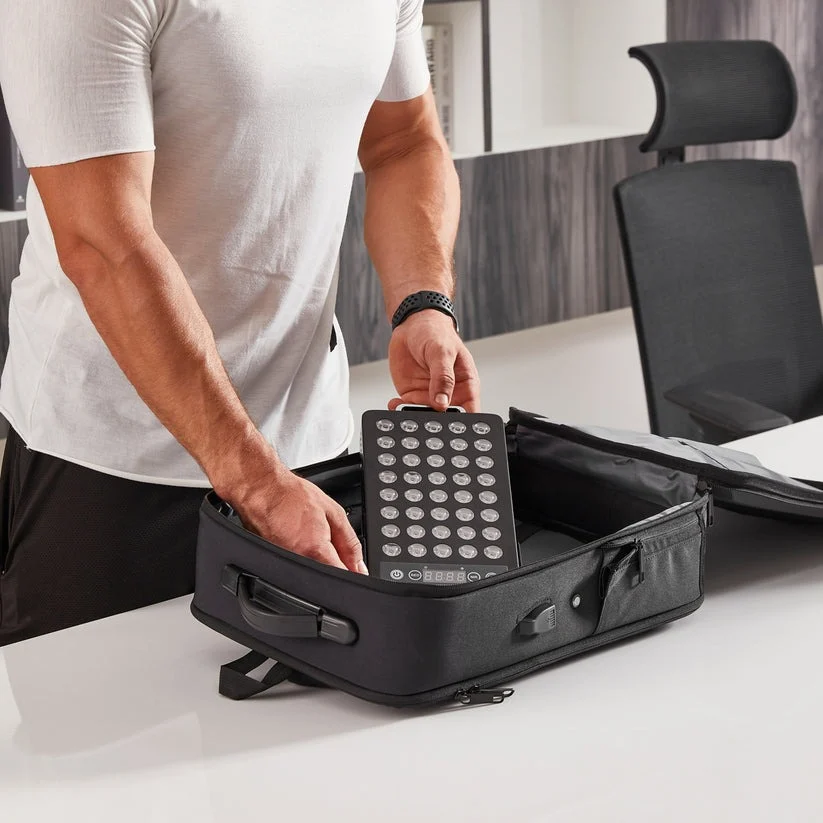
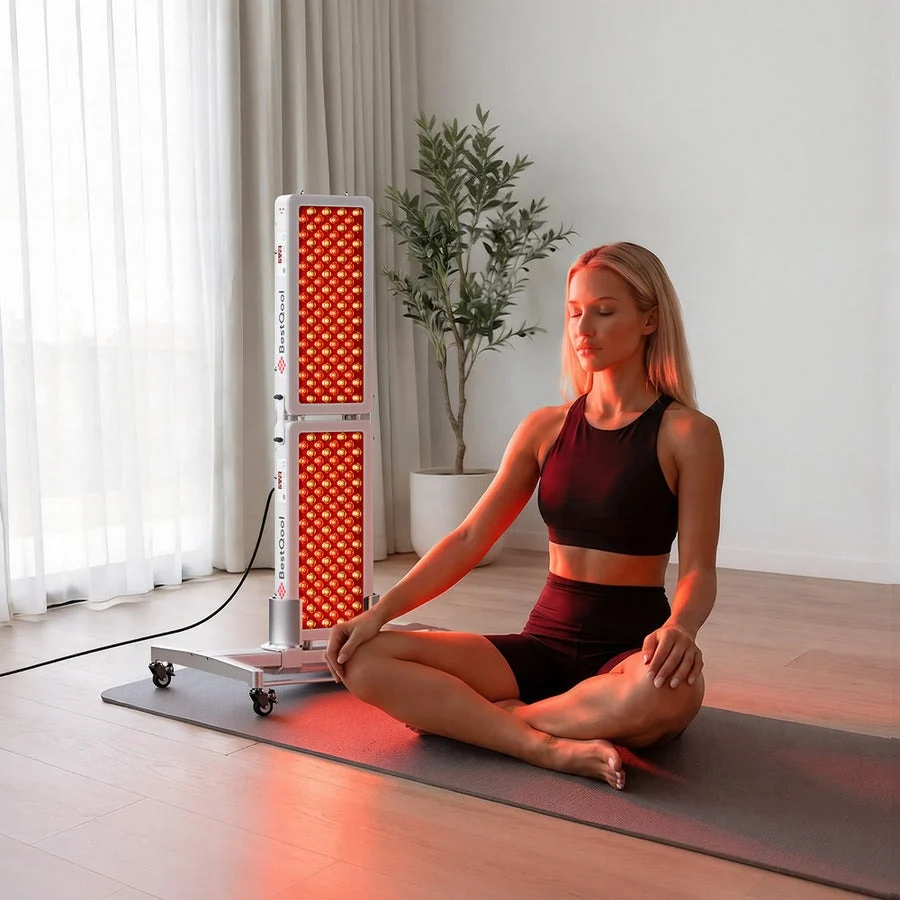
Panel size and LED count round out the picture. A small unit can be excellent for facial routines or spot treatment, but it forces you to move around when you want to cover more area. A larger panel handles full torso work in one position but takes up wall space and demands a dedicated corner. Matching panel size to your goals — rather than buying the biggest option out of caution — protects both your budget and your patience.
Matching a Setup to Your Actual Goals
Before you compare products, get clear on what you want to change. A person chasing better recovery after training has different needs from someone focused on lines around the eyes or someone hoping to soothe knee stiffness. When your objective is precise, the choice of device narrows fast. Full-body coverage matters most for systemic goals like recovery or sleep. Focused, targeted units make more sense when a specific area drives your decision.
Frequency is the other side of that coin. Even a strong panel earns nothing if you use it twice a month. A device that fits into a daily rhythm — because it is easy to set up, easy to sit in front of, easy to travel with when needed — will beat a more elaborate rig that you skip half the time. Ease of use is not a soft feature. It directly determines the total exposure your body receives over a year, and that total is what changes anything.
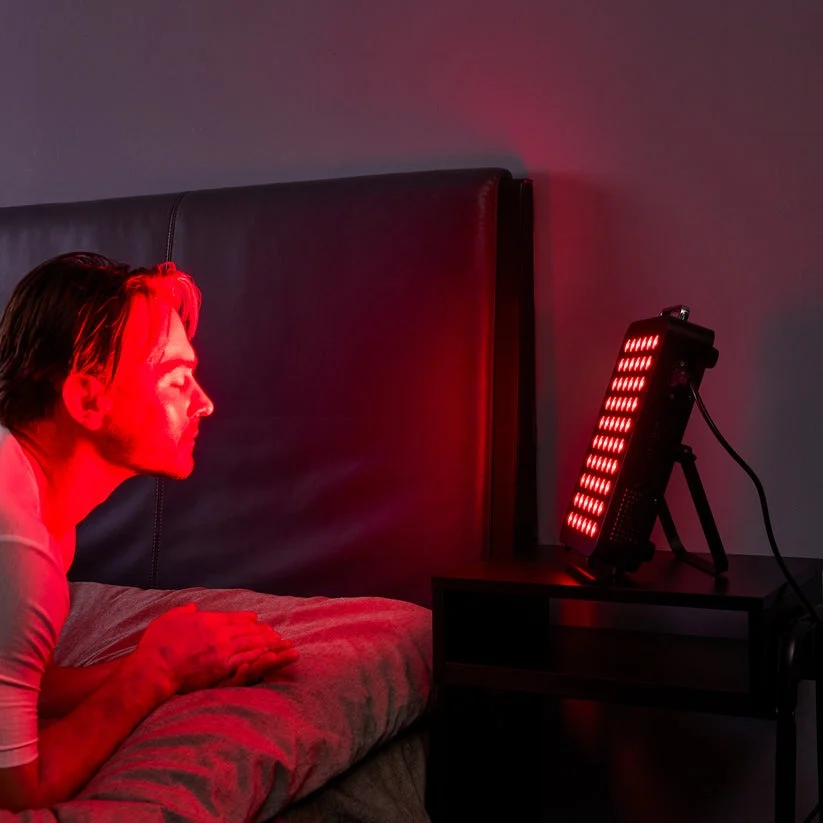
Space and privacy shape the practical picture too. A wall-mounted panel changes how the room feels and may prompt questions from roommates or family. A tabletop unit fits into a home office more discreetly. A wearable option — belt, wrap, or mask — disappears entirely into the flow of your day. The best format is the one you will keep reaching for after the novelty fades.
Reading Between the Lines of Marketing Claims
Descriptions of home therapy devices lean heavily on clinical language. Some of it is legitimate. Some of it is decoration. A few practical filters help separate the two. Look for brands that publish specific irradiance figures at named distances rather than vague strength boasts. Look for wavelength graphs or at least clearly labeled dual-band charts, not just claims of covering the “therapeutic range.” Look for consistent product photography that shows the device in real rooms rather than only studio close-ups.
Reviews are useful but should be read with care. Very short reviews written in the first week of ownership often reflect excitement rather than outcomes. Reviews written after three or six months of use are the ones worth mining. They tend to describe changes in specific terms — how a knee feels on stairs, how skin looks in morning light, how workouts feel the day after — rather than generic satisfaction. Time-tested feedback is the closest thing to real evidence you will find on a retail page.
Warranty length is another quiet signal. LEDs are inexpensive to produce but vary widely in build quality. A brand willing to stand behind a device for two or three years is telling you something about how confident they are in the components. A short warranty on an expensive device tells its own story. It is not a guarantee of performance, but paired with strong specs it points toward a company that expects the unit to keep working.
Habits That Turn a Good Device Into Great Results
Hardware sets the ceiling on what is possible. Habits determine whether you reach it. The single biggest lever is consistency. Ten minutes a day for eight weeks reliably outperforms an occasional forty-minute marathon. Choose a slot in your existing routine — while you have coffee, before you shower, while you handle morning email — and let the device attach to it. Once the trigger is built in, you stop having to decide whether to do the session.
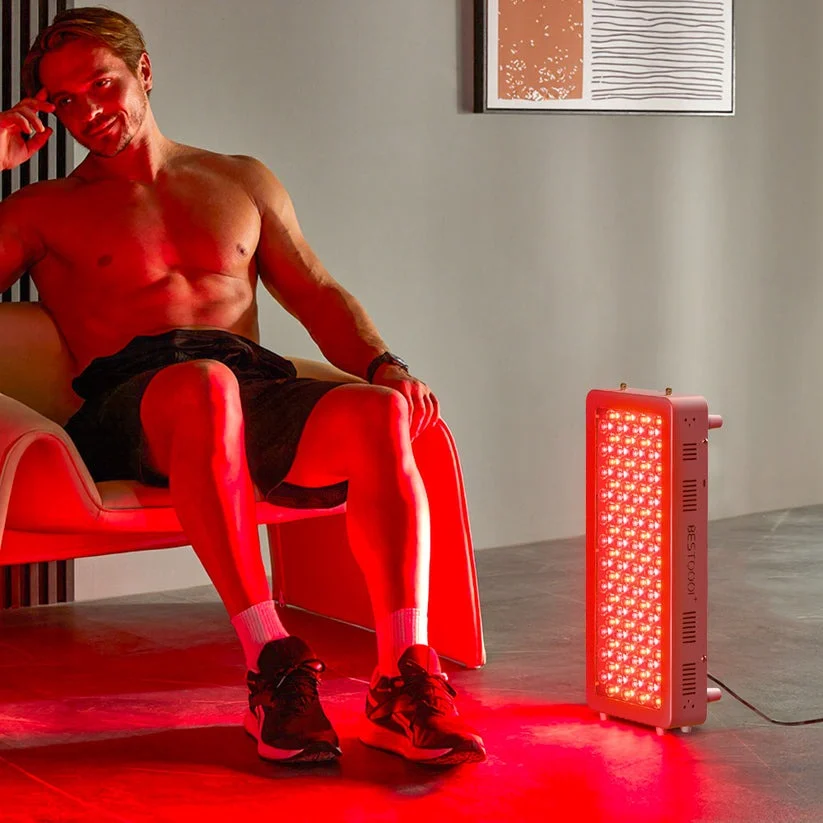
Distance and posture are the next lever. Sit or stand where the panel actually reaches you, not where you accidentally block half the beam. If your device came with distance guidance, honor it for the first month before experimenting. Note how your body feels at that setting, then adjust in small steps if you want to explore. BestQool and other established makers publish detailed placement recommendations because these details genuinely matter to outcomes, not because they are filler.
Give yourself a window before making judgments. Two weeks is too short for most goals. Six to eight weeks is a fair test. If nothing has moved by that point, revisit your protocol before blaming the device. Are you actually hitting the target area? Are you close enough? Are you consistent? Are you comparing your body honestly against how it felt before, or against how you hoped it would feel? Answering those questions candidly usually reveals the fix.
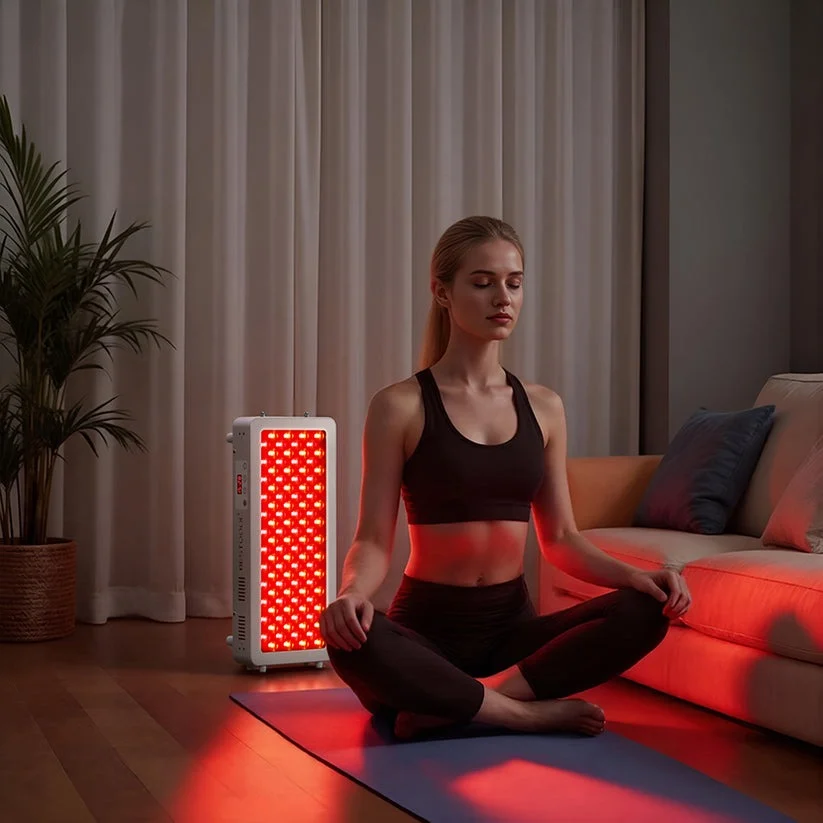
Finally, keep expectations calibrated to what light-based therapy realistically delivers. It is not a replacement for sleep, movement, or a reasonable diet. It works alongside those foundations, amplifying good habits rather than compensating for missing ones. When you treat the device as part of a package rather than a standalone rescue, the results tend to arrive quietly, and they tend to stay.
Do not overlook the value of a quiet routine that survives busy weeks. The single most predictive factor for meaningful outcomes across all types of users is not the peak specs of the device but the total sessions completed across a year. A somewhat less impressive panel used consistently will outperform a top-tier one that only comes out on weekends. Choose the setup you can integrate into your life, and let time turn ordinary sessions into cumulative gains.
Consider the room you plan to use as part of the equation. A panel that fits neatly into a home office earns more sessions than one that requires clearing a corner every time. Think about lighting, ventilation, and whether the space feels inviting enough to spend twelve to fifteen minutes in daily. These environmental details sound minor but shape whether the routine becomes durable. Wellness rituals succeed when the space around them removes friction rather than creating it, and choosing a device that suits your actual room and your daily rhythm is a genuine part of choosing well over the long term.
Choosing With Real Confidence
The strongest devices share a few honest qualities: transparent specs at real distances, coverage that matches your goals, a form factor you can live with, and a company willing to stand behind it. The best user habits are just as consistent: daily use, sensible distance, honest tracking, and enough patience to let two months of steady exposure do their work. Combine those and you tilt the odds heavily in your favor, regardless of which brand’s box ends up on your doorstep. Skip either half and even the strongest hardware will feel underwhelming. The real advantage does not come from the device alone. It comes from the pairing of a well-chosen tool with a routine you can actually keep.

